





Popular alcohol brands could be forced to sell off inventory after bankruptcy setback
Creditors push to convert Stoli Group and Kentucky Owl from Chapter 11 reorganization to Chapter 7 asset sales

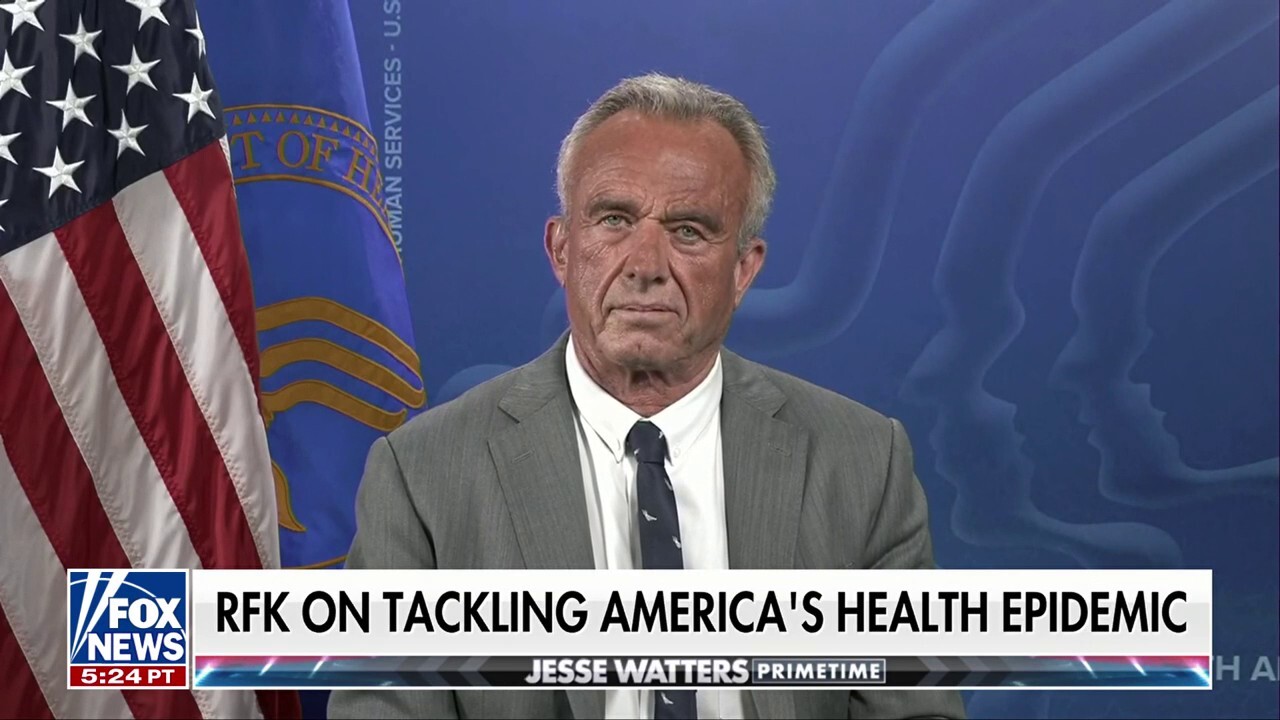
We need to give our kids real food again, RFK Jr. says
HHS Secretary Robert F. Kennedy Jr. discusses efforts to phase out petroleum-based synthetic dyes in the nation's food supply on 'Jesse Watters Primetime.'
Alcohol giants Stoli Group USA LLC and Kentucky Owl LLC are liquidating their inventory in the U.S. after struggling to reorganize their businesses under Chapter 11 bankruptcy protection.
Their creditors no longer believe the companies can successfully fix their finances and keep operating under Chapter 11 bankruptcy, which is meant to reorganize a business and keep it running, according to court documents obtained by FOX Business.
In turn, the creditors are formally requesting a court order to end the companies’ Chapter 11 reorganization and instead move the cases into Chapter 7, which means it would sell off its assets to pay off its debts.
‘LABELING ERROR’ HAS VODKA SELTZER IN ENERGY DRINK CANS, PROMPTING RECALL
Stoli Group is best known in the U.S. for its Stolichnaya vodka brand. Kentucky Owl is a premium bourbon label that has won industry accolades but struggled with rising costs and slowing demand in recent years.
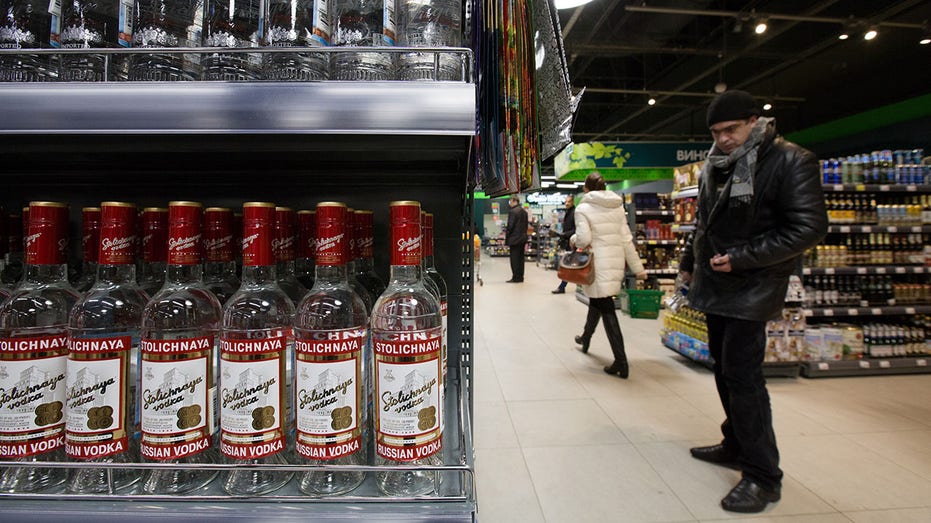
Customers browse in the beer, wine and spirits aisles inside a Perekrestok supermarket, operated by X5 Retail Group, in Moscow, Russia, Feb. 4, 2015. (Andrey Rudakov/Bloomberg via Getty Images)
FOX Business reached out to Stoli Group for comment.
The Stoli Group’s U.S. entities filed for bankruptcy protection in November 2024 in the U.S. Bankruptcy Court for the Northern District of Texas.
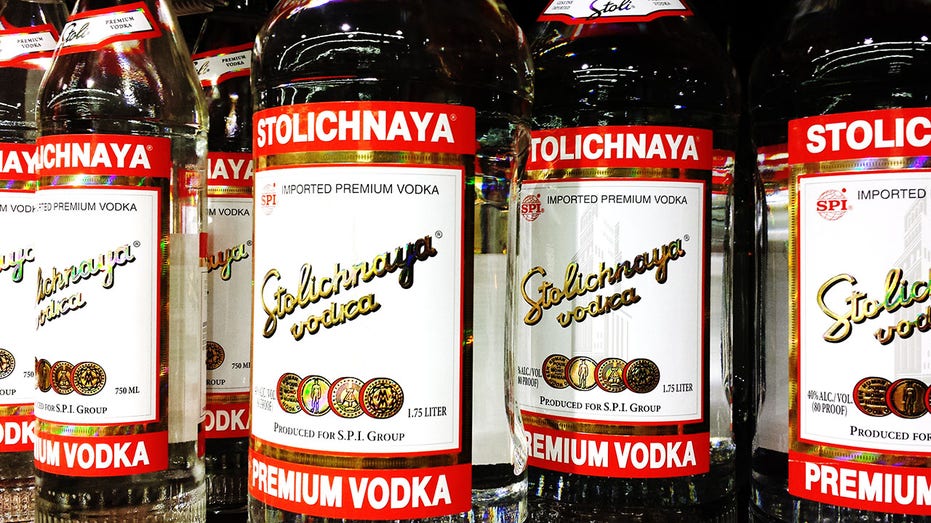
Stolichnaya, a well-known Soviet brand, is a vodka made of wheat and rye grain. (Getty Images)
According to the documents, the debtors told the court they filed for Chapter 11 after a cyberattack disabled the Stoli Group’s SAP system, which they said caused financial reporting failures, undermined Fifth Third Bank’s confidence and contributed to liquidity problems. However, fixing that problem never fixed the business.
GET FOX BUSINESS ON THE GO BY CLICKING HERE

Kappy's Fine Wine & Spirits in Falmouth, Mass. (Lindsey Nicholson/UCG/Universal Images Group via Getty Images)
The creditors argued the cyberattack explanation doesn’t hold up because the company’s problems continued long after it said the system would be fixed.