





DOJ plans to revive maritime prize courts to seize Iranian oil tankers as war prizes: report
US Attorney Aaron Reitz says the Southern District of Texas is ready to adjudicate captured vessels and cargo
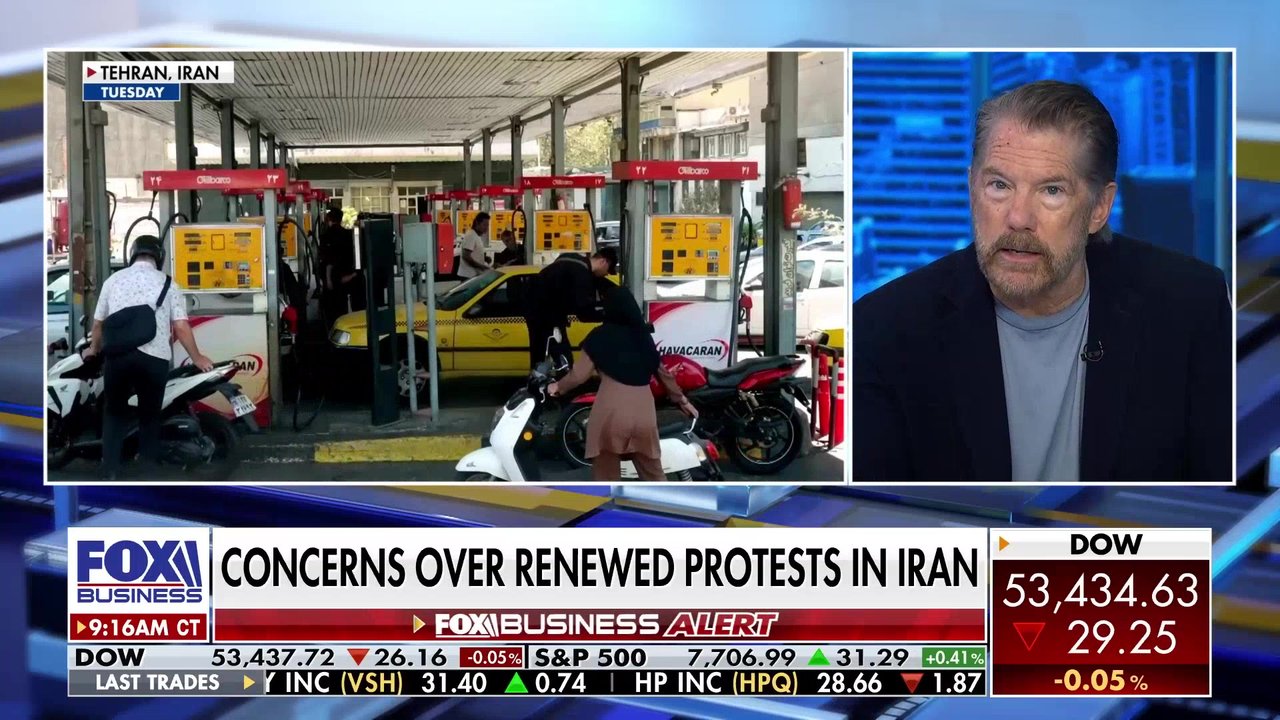
Ex-CIA officer reveals the one issue that Iranian regime is hyperfocused on
Former CIA covert operations officer Mike Baker warns that the worsening economic situation from U.S. sanctions and blockades in Iran has the regime hyperfocused on the threat of renewed protests on ‘Varney & Co.’
The Department of Justice is planning to reactivate maritime prize courts in an effort to make it easier to claim Iranian oil tankers as war prizes to help offset the cost of the war, according to a new report.
Utilizing prize courts would give the government a clearer path to legally claiming ships seized by the U.S. Navy in the course of its enforcement of a naval blockade of Iran as the government's property.
That process would allow the government to sell oil or other cargo from the ships that violated the blockade, and the proceeds would be provided to the Treasury Department.
The plan was first reported by Bloomberg Law, citing three people familiar with the matter.
MILLIONS OF BARRELS OF IRANIAN OIL SIT BEYOND TRUMP BLOCKADE AS HE VOWS 'ZERO LEAKAGE'
"Our national security interests may require the United States military to seize vessels or cargo supporting the enemy during military conflict," U.S. Attorney for the Southern District of Texas Aaron Reitz said in a statement provided to FOX Business by the DOJ.
"If that happens, our federal courts must be ready to adjudicate the disposition of these captured vessels and cargo.
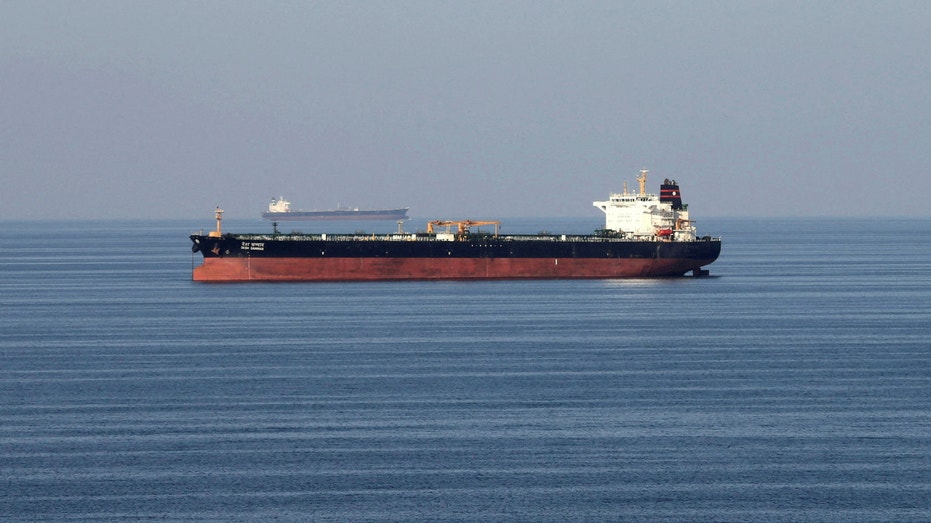
The U.S. may use prize courts to formally seize captured Iranian vessels, with their oil or other sold cargo helping to offset the cost of the war. (Reuters/Hamad I Mohammed)
"Prize law is an ancient body of maritime law — already codified in statute but which we are now reviving — that sets the rules for how seized maritime property is condemned, returned or disposed of," Reitz continued.
If the plan is put into effect, it will likely draw legal challenges from shipping companies that own vessels seized in the blockade, and the Bloomberg report noted that victims of Iranian terrorism may also pursue claims against seized assets.
The U.S. government has used prize courts to determine the legal status of ships and cargo that were captured since the nation's founding, starting with the Revolutionary War, though the practice hasn't been actively used since the Spanish-American War in the late 1800s.
Under the early frameworks, ships and cargo that were legally captured were sold with the proceeds going to the crew of the ship that seized the condemned vessel. However, that practice ended in 1899 as the U.S. military looked to reduce privateering and modernize legal frameworks for war.
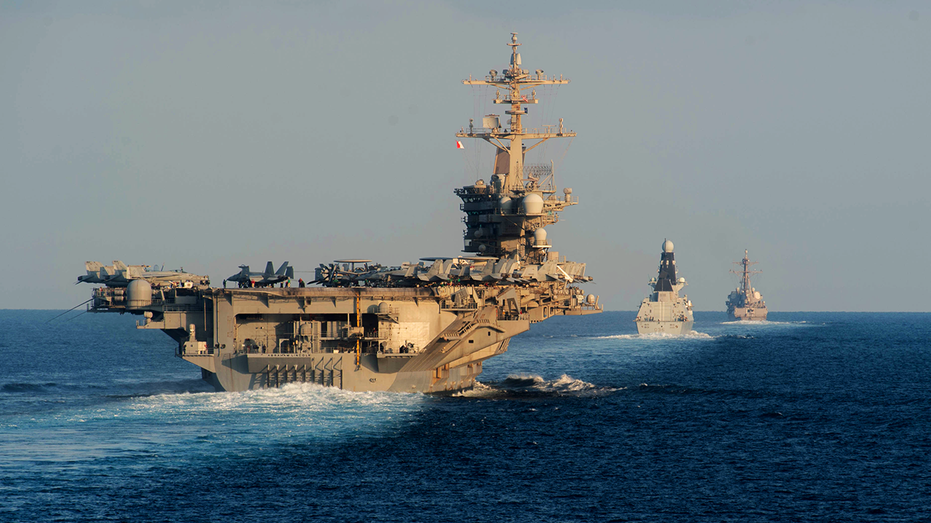
The U.S. Navy would have to seize a vessel with its cargo for it to go through the prize court process. (Zachary Pearson/U.S. Navy / Getty Images)
Prize courts declined amid the evolution of naval warfare. The emergence of submarines in World War I, as well as the proliferation of their use in World War II, when air power emerged as another major threat to naval vessels, made it more difficult in practice for naval crews to stop and board a given vessel, inspect its cargo, then return it to a port for trial.
A 2022 report by the Congressional Research Service notes that Congress has given the exclusive jurisdiction over prize cases to federal district courts that are "sitting in admiralty," a legal term for when the judge is handling a specialized maritime case rather than a typical civil or criminal case.
That process ordinarily requires the vessel to be physically brought into a given district court's jurisdiction. During World War II, a 1942 law gave federal courts authority over prize cases involving ships in allied ports, such as those in Australia or Great Britain, without having to return to the U.S.
Despite that change, an analysis by the U.S. Naval Institute published in 2024 notes that no prize cases were adjudicated in U.S. courts in either World War I or World War II or in the decades since.
However, it notes that Congress enacted revised laws on the subject in the 1950s which have been updated as recently as 2021 to include the Space Force and that prize courts are acknowledged in recent editions of legal handbooks for naval commanders.
COULD IRAN'S REGIME COLLAPSE? EXPERTS ASSESS BESSENT'S BID TO SEVER FINANCIAL LIFELINES
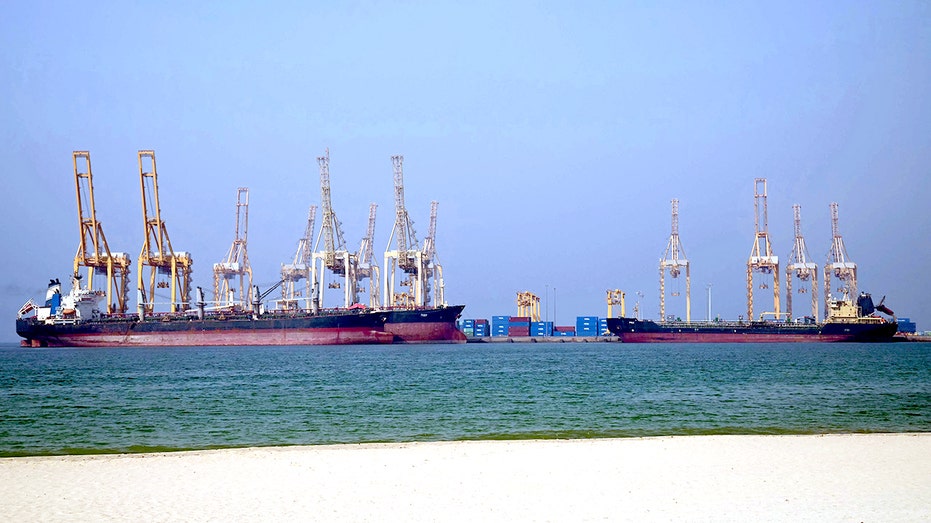
The U.S. Navy is enforcing a blockade of the Strait of Hormuz, which is a vital choke point for oil tankers in the Persian Gulf. (Giuseppe Cacace/AFP via Getty Images)
If the Trump administration attempts to use prize courts in the ongoing war with Iran, Reitz signaled that his district will be prepared to address those legal issues.
"The Southern District of Texas is home to the best ports in the nation along the Gulf of America and is the strategic nexus of maritime power, energy infrastructure, international commerce and federal law enforcement capacity," Reitz said.
"My office is ready to represent the interests of the United States in adjudicating prizes brought to the Southern District of Texas through our federal courts in the interests of national security and justice."
GET FOX BUSINESS ON THE GO BY CLICKING HERE
The White House deferred comment to the Justice Department.