


Target beefs up protein, supplement offerings, capitalizing on weight loss drug trend
Retailer plans shelf space expansion by 2026 to meet demand from GLP-1 medication users seeking supplements


Dr. Marc Siegel on weight loss drugs delaying gastric emptying: ‘One glass of wine feels like three glasses of wine’
Fox News senior medical analyst Dr. Marc Siegel joins ‘Varney & Co.’ to discuss the mounting cost of Obamacare subsidies and a new study suggesting weight loss drugs could dull alcohol’s effects.
The rapid adoption of GLP-1 weight loss medications — drugs like Novo Nordisk's Ozempic and Wegovy and Eli Lilly's Zepbound and Mounjaro — is reshaping how Americans eat and shop. It's also changing how major corporations do business.
From new product lines to expanding certain categories, companies are trying to capitalize on the lifestyle shifts prompted by the popular drugs.
"We're like at the tip of the iceberg in terms of what I think this is going to mean for how it changes consumer behavior," Lisa Roath, Target’s chief merchandising officer of food, essentials and beauty, told FOX Business.
WEIGHT LOSS PILLS REPLACING GLP-1 SHOTS WILL BE READY BY MARCH, DR. OZ TELLS FOX BUSINESS
Target has been tracking emerging trends to help drive its product purchasing decisions as it contends with subdued traffic and stiff competition. Target buyers are expected to stay plugged into what’s happening in culture, including what influencers are talking about and what’s circulating in consumers’ feeds, according to Roath.
One core behavior trend is how medications are directly shifting customer demand toward higher-protein and higher-fiber items.

A shopper at a Target store in Jersey City, N.J., Nov. 25, 2025. (Michael Nagle/Bloomberg via Getty Images)
"Everyone's looking for protein," said Roath. But she said that it's not the only item in demand due to these drugs either.
Roath said the company is seeing supplements "continue to explode as people are looking at what they can add to their diet." She said GLP-1 users often fall short nutritionally because of appetite suppression, which is helping drive demand in the category.
"The reality is, if you're taking in fewer calories, you're just not hitting the threshold, the minimum threshold that you might need in a day," she said.
WEIGHT LOSS DRUGS COULD ADD YEARS TO AMERICANS' LIVES, RESEARCHERS PROJECT
Target plans to expand shelf space in early 2026 to make room for more protein items like nutrition bars and supplements to cater to this uptick in demand.

Customers shop at a Target store in Rosemead, Los Angeles County, Calif., March 4, 2025. (Zeng Hui/Xinhua via Getty Images)
But the changes go beyond just food. As consumers experience weight changes and adopt more active lifestyles, Target is seeing increased interest in apparel and home-fitness categories too.
"Business is absolutely expanding across a number of those categories," Roath said, adding that Target is already seeing "a little bit of a tail of that growth" in areas like athletic wear and home-fitness equipment, including weights.
AMERICA’S OBESITY CRISIS MEETS THE OZEMPIC BOOM AS DATA REVEALS GLP-1 HOT SPOTS
In recent years, GLP1-s, which were originally created to help patients with diabetes, quickly became some of the most sought-after drugs because of their weight loss effectiveness. Morgan Stanley projected that the weight loss medication market could reach $150 billion by 2035 due to rapid adoption of the medication.
About 11% of the global eligible population of 1.3 billion people could be on obesity drugs by that time, especially as research suggests other potential benefits of obesity drugs in the treatment of other diseases, according to estimates published by Morgan Stanley Research earlier this year.
In the U.S., currently the biggest market in the world for obesity drugs, there are about 8 million patients on the drugs. According to Morgan Stanley's May 2025 report, that number could rise to 30 million in 2035, or about 20% to 25% of the obese population, a potential market of $80 billion.

Shoppers at a Target store in Jersey City, N.J., Nov. 25, 2025. (Michael Nagle/Bloomberg via Getty Images)
Target is far from the only company adjusting its business around these medications.
In 2024, Anna Mohl, CEO of Nestlé Health Science, a division of Nestlé that sells dietary supplements, said it is "uniquely positioned to support" the changing nutritional needs of consumers who are using GLP-1s. It launched a platform to offer "holistic and personalized care for consumers" with tailored products and expertise from medical professionals.
"We have brands and expertise across our portfolio to support needs that can include preserving lean muscle mass, managing digestive upset, supporting an adequate daily consumption of micronutrients and more. Along with women’s health and healthy aging, GLP-1 companion products are a key solution that we’re focusing on," Mohl said.
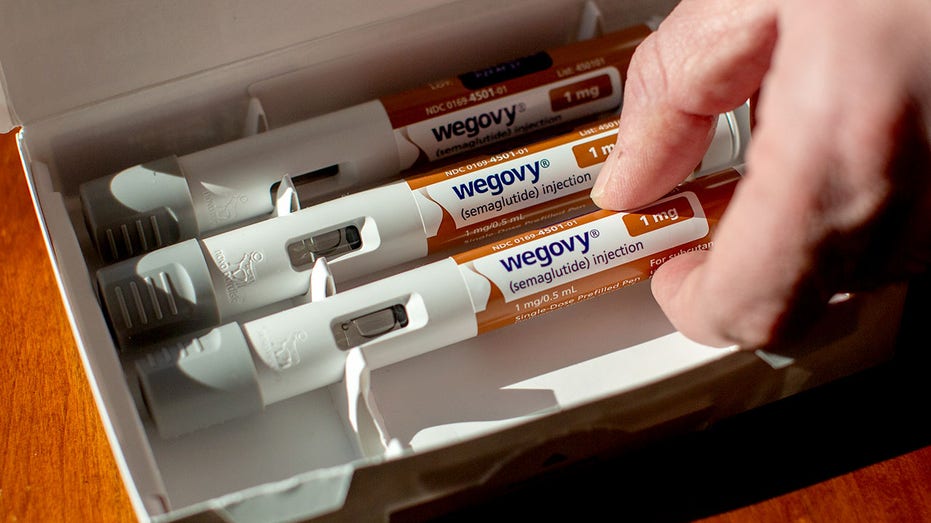
Wegovy injection pens arranged in Waterbury, Vt., April 28, 2025. (Shelby Knowles/Bloomberg via Getty Images)
Major North American consumer packaged goods company Conagra Brands also began labeling items that it considers GLP-1 friendly. The products have what the company calls an "on track" badge, indicating that the products are high in protein, low in calories and a good source of fiber.
GET FOX BUSINESS ON THE GO BY CLICKING HERE
"The badge is designed to help consumers easily identify nutritious and convenient options that suit their dietary needs. Whether you're using GLP-1 medications, transitioning off them, working toward natural weight management or simply focused on maintaining a healthy lifestyle, these products are tailored to meet a variety of needs," the company said in its press release.
Danone North America launched a yogurt, Oikos Fusion, in August that was directly advertised to support the nutritional needs of GLP-1 users.
Danone described it as the first yogurt in the category "designed to support muscle maintenance and digestive health, tailored specifically for those on weight-loss journeys, including GLP-1 users who face unique nutrition challenges."