












Fed’s preferred inflation gauge rose in September as third-quarter GDP beats expectations
Commerce Department releases closely watched September 2026 PCE inflation, GDP data
Two Fed officials dissent as central bank holds rates steady
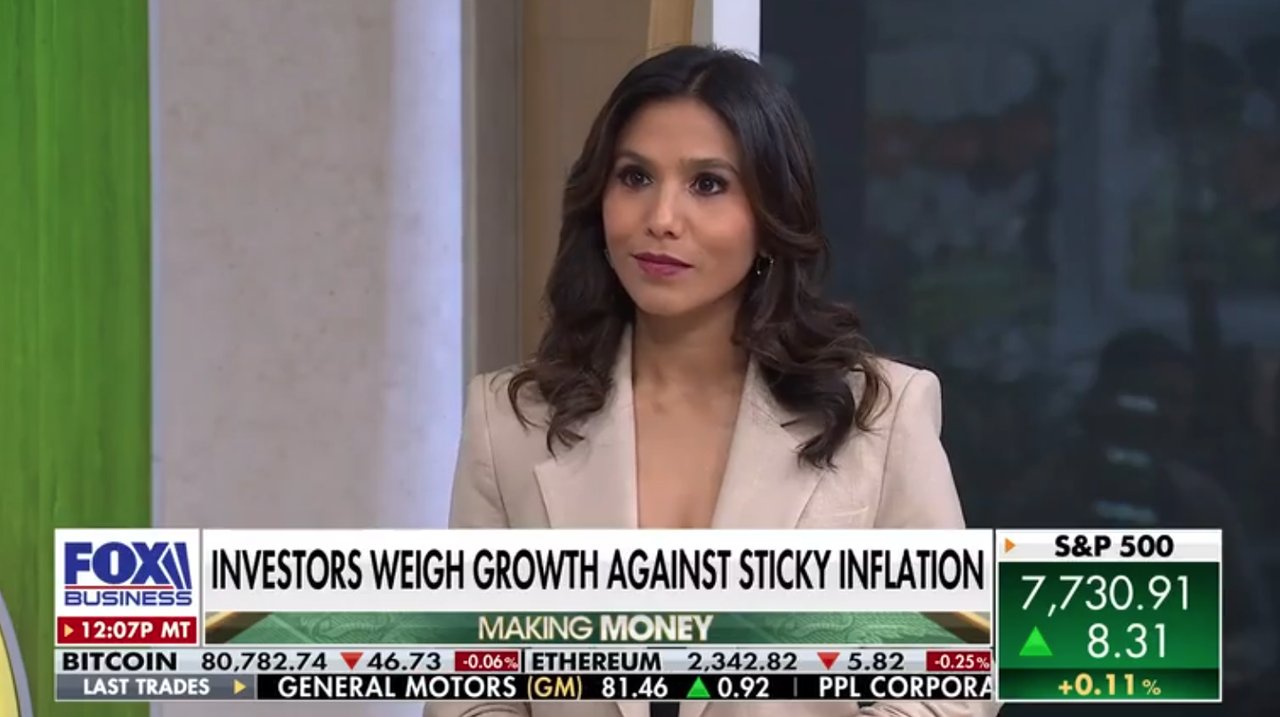
iCapital chief investment strategist Sonali Basak joins Making Money to discuss the Federal Reserve holding interest rates steady, two dissenting FOMC votes and the economy continuing to expand at a strong pace.
This story about the September 2026 PCE inflation report will be updated with further details.
The Federal Reserve's preferred inflation gauge rose further away from the central bank's target in September as consumers face price pressures.
The Commerce Department on Thursday reported that the personal consumption expenditures (PCE) index rose 0.5% on a monthly basis in September and was up 3.6% from a year ago. Both figures were in line with the expectations of economists polled by LSEG.
Core PCE, which excludes volatile measurements of food and energy prices, was up 0.3% on a monthly basis and 3.1% year over year. Those figures were both in line with economists' expectations.
Federal Reserve policymakers are focused on the PCE headline figure as they try to bring inflation back to their long-run target of 2%, though they view core data as a better indicator of inflation.
Compared with August's readings, headline PCE ticked up from 3.4% to 3.6%, while core PCE rose from 3% to 3.1%.
Goods prices were up 3.9% year over year, while services prices increased 3.5% from a year ago in September.
The personal savings rate as a percentage of disposable personal income was 3.8%, down from 4% in August.
Over the last two years, the savings rate has declined from a peak of 6.2% in April 2025 and from 5.6% in January 2026.
While inflation moved further away from the Fed's 2% target, the Commerce Department also released the advance estimate for third quarter gross domestic product (GDP) which grew more than expected.
The Bureau of Economic Analysis estimated that third quarter GDP was 3.4%, above the 3.2% estimate of economists polled by LSEG. The BEA will release two subsequent revisions of the Q3 GDP data.