





Middle-income Americans struggling to keep up as living costs weigh on paychecks, survey says
Survey shows 68% say their income is falling behind rising expenses, with 49% focused solely on keeping up with costs
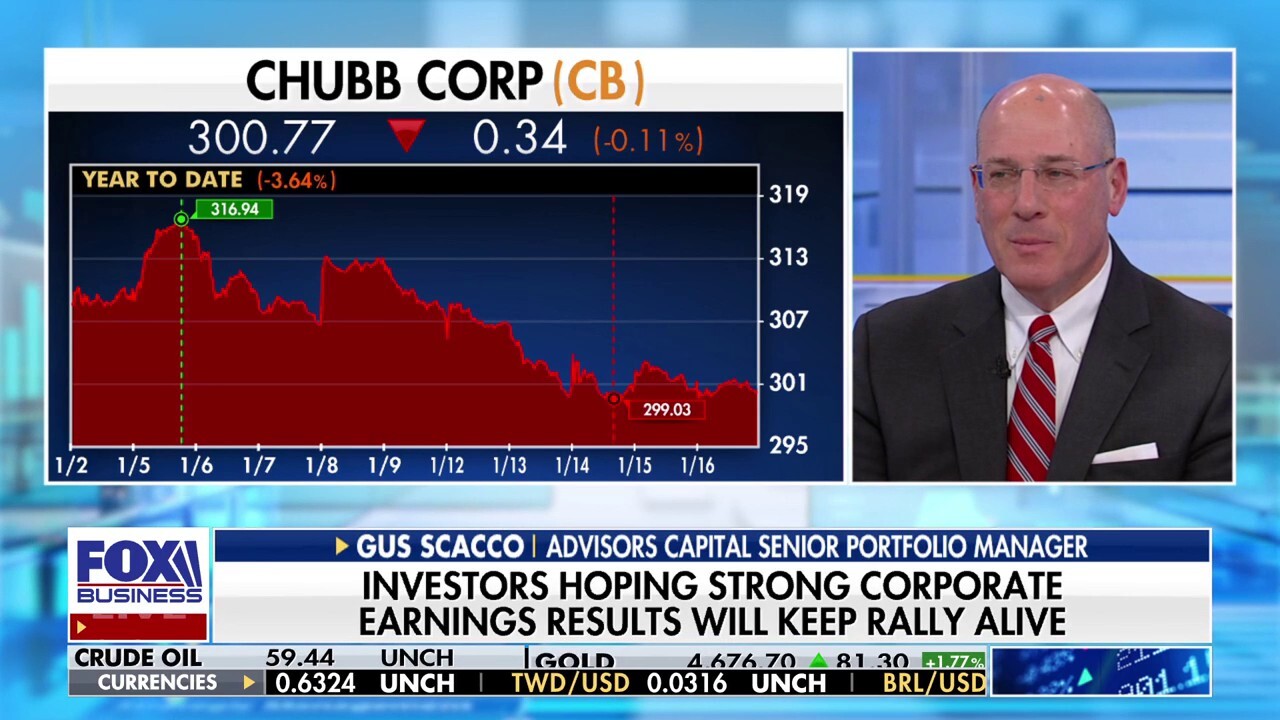
Anticipating the consumer will still lead the economy: Gus Scacco
Advisors Capital senior portfolio manager Gus Scacco shares his outlook for Q4 on The Claman Countdown.
Middle-income Americans are continuing to feel financial strain and say their income is being outpaced by the rising cost of living, according to a new nonprobability-based analysis by Primerica.
The financial services firm released the latest edition of the Primerica U.S. Middle-Income Financial Security Monitor quarterly survey on Thursday, which showed that 68% of middle-income Americans said their income is falling behind the cost of living – a figure that has remained steady in the last two years.
The analysis found that 49% of middle-income American families said their primary financial goal for the year ahead was to simply keep up with rising costs, signaling that they're not anticipating any near-term relief.
Primerica CEO Glenn J. Williams told FOX Business in an interview that, "As you might expect after a number of years of this pressure, the attitudes of middle-income families have kind of leveled out – they're not getting worse, but they certainly haven't turned and aren't getting significantly better yet."
HOW AMERICANS COULD GET A $1,000 BOOST THIS TAX SEASON
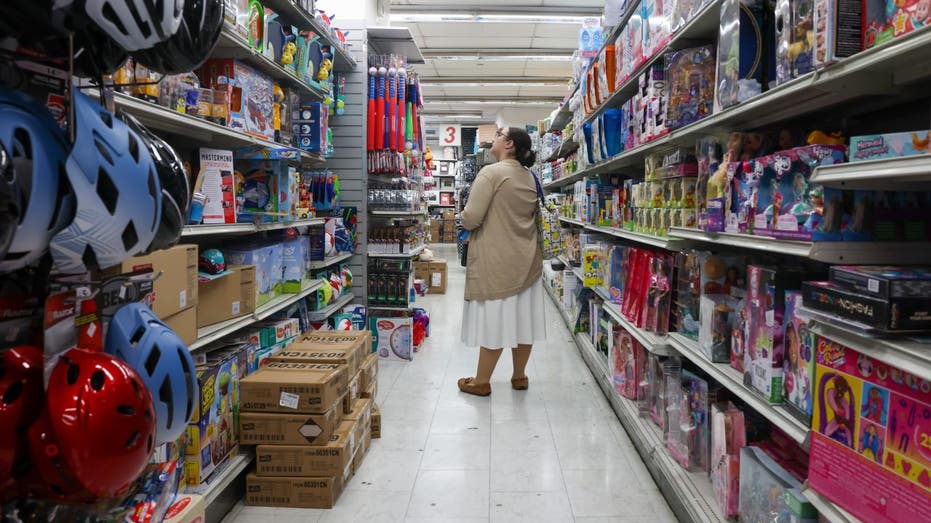
Middle-income Americans are prioritizing keeping pace with rising costs as they deal with the impact of several years of rising costs, Primerica found. (Spencer Platt/Getty Images)
"Many of them are in a deficit position, they've either used savings or credit cards to fill the gap," Williams added, noting that even when cost of living pressures start to ease and with wages overtaking price increases, they won't feel the benefit right away due to credit card debt or the need to rebuild savings.
Finding enough money leftover in the budget to save not only for big-ticket purchases like homes or cars, but also for accumulating an emergency savings fund that can be tapped during unexpected circumstances.
Primerica's survey found that 70% of middle-income households said their ability to save for the future is "not so good" or "poor" – down slightly from 73% the prior quarter but little changed since the end of 2023.
HERE'S HOW MUCH TRUMP ACCOUNT BALANCES COULD GROW OVER TIME
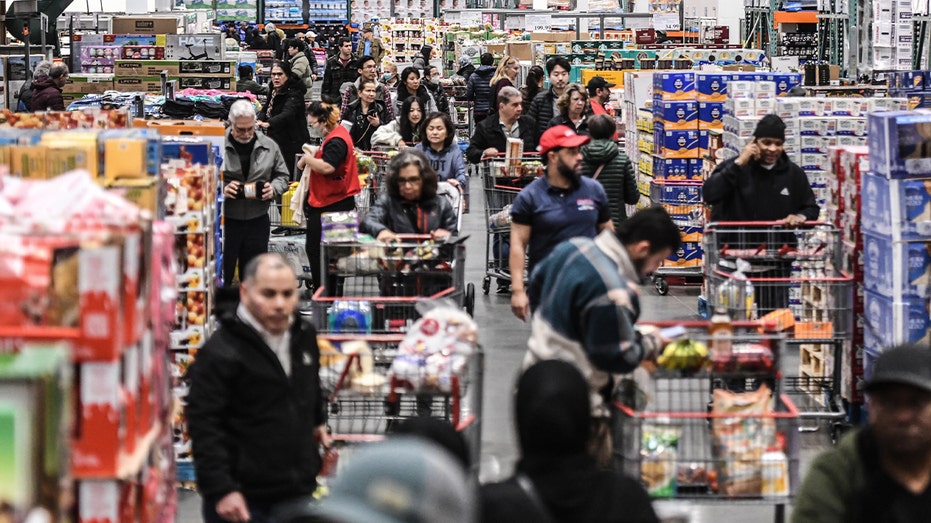
Williams said the rising cost of everyday goods strained middle-income budgets in recent years. ( Stephanie Keith/Bloomberg via Getty Images)
"We still see a significant group that are managing their monthly finances by saying if I need a new washing machine or a new car, I'm just going to have to delay that because I can't afford it right now," he explained.
"Quite frankly, that's probably the right thing to do," Williams added. "If you can have some delayed gratification, you can wait on those purchases until you've got more breathing room. So while it's unfortunate that they have to do that, that's actually a pretty good response to financial pressure."
The share of respondents who said they had an emergency fund that would cover an expense of $1,000 or more rose slightly from 58% to 62% in the last year, though the figure is below the 64% reported in the first quarter of 2025.
NEW TAX DEDUCTION COULD PUT MORE MONEY BACK IN SENIORS' POCKETS THIS YEAR
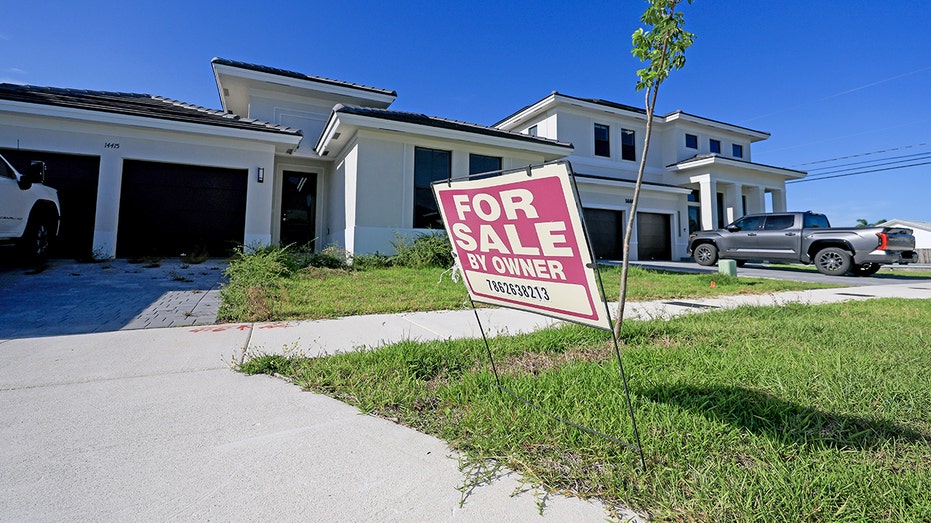
Some middle-income Americans have deferred significant purchases to rebuild their finances after the cost pressures of recent years. (Joe Raedle/Getty Images)
"As Americans, we're chronic under-savers when compared to citizens of other countries – we tend to live closer to the edge," Williams noted. "We are seeing people start to rebuild a little bit and get back to where they were."
"I wouldn't say $1,000 is enough for an emergency fund for most families, but it's a nice start," he explained. "One of the things that has been our kind of fundamental advice since the beginning over 49 years of doing this – you need to build an emergency fund that's at least six months of income if you can. That's very difficult for most middle-income families, but it's a good goal."
Primerica's survey found that the share of middle-income Americans who expect the economy to worsen over the next year declined to 59% from 63% in the prior quarter, which was well below the recent peak of 76% in the March 2025 edition of the report.
GET FOX BUSINESS ON THE GO BY CLICKING HERE
Williams noted that potential increases in take-home pay in 2026 could offer some relief for middle-income Americans and "put a few extra dollars in their pockets" as last year's tax reforms take effect.