


Fed dissent grows as some officials weigh return to interest rate hikes amid stubborn inflation
Several policymakers wanted language about potential rate increases in official announcement, meeting minutes show
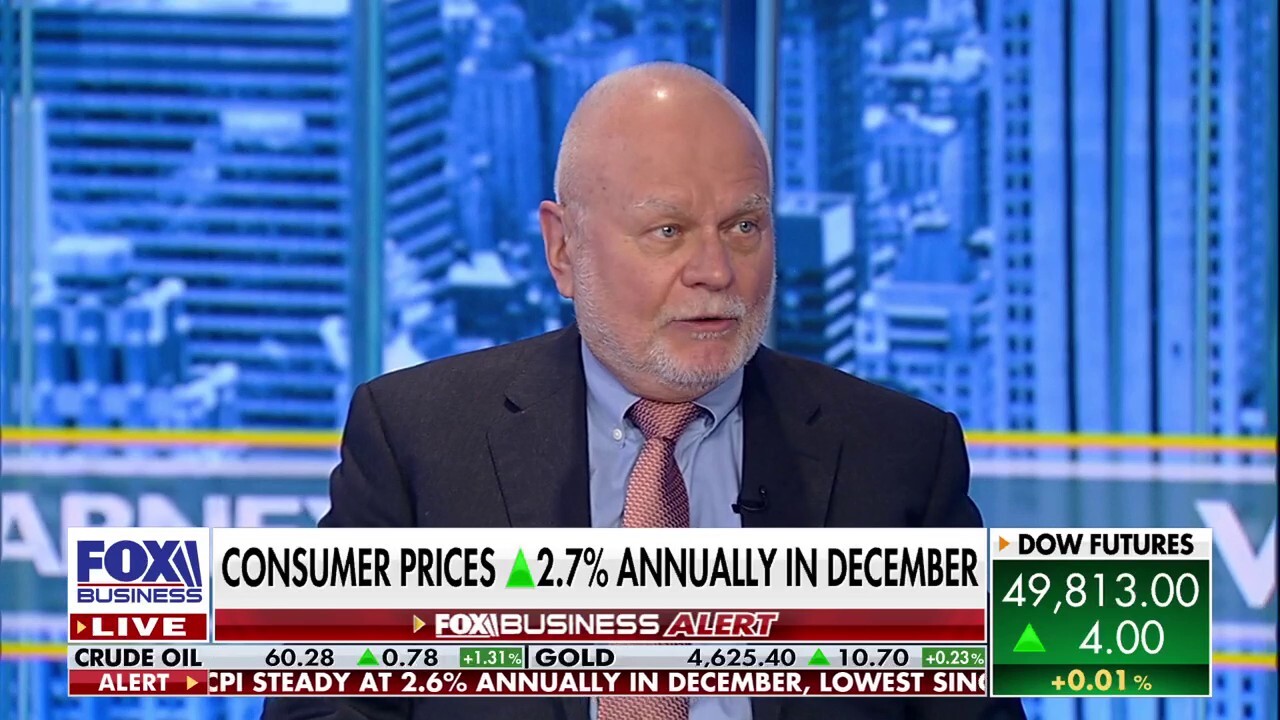
Federal Reserve should not lower interest rates, John Lonski argues
The Lonski Group President John Lonski weighs in on the Federal Reserve’s next rate decision, President Donald Trump’s anticipated speech on the economy and the president’s call for a credit card interest rate cap on ‘Varney & Co.’
Federal Reserve policymakers were mostly in agreement on the decision to leave interest rates unchanged despite two calling for cuts, though several signaled that rate hikes could be on deck if inflation remains elevated.
The minutes for the January meeting of the Federal Open Market Committee (FOMC), the Fed's monetary policy-setting panel, were released Wednesday and showed that some policymakers were in favor of including language signaling the possibility of future rate hikes to tame stubborn inflation in the announcement.
The FOMC voted 10-2 to leave the benchmark federal funds rate at its current range of 3.5% to 3.75%, with Fed governors Christopher Waller and Stephen Miran dissenting over concerns about the labor market. Inflation has remained elevated above the Fed's 2% target, which has given others pause about further rate cuts.
"Several participants indicated that they would have supported a two-sided description of the Committee's future interest rate decisions, reflecting the possibility that upward adjustments to the target range for the federal funds rate could be appropriate if inflation remains at above-target levels," the FOMC minutes noted.
POWELL SAYS AMERICANS FORCED TO 'ECONOMIZE' AS STUBBORN INFLATION SQUEEZES HOUSEHOLD BUDGETS
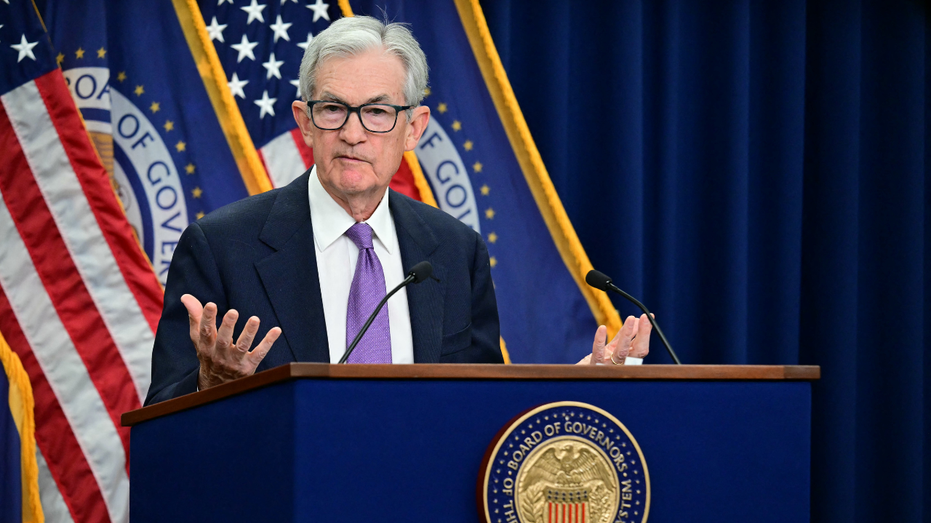
Federal Reserve Chair Jerome Powell said inflation would be closer to 2% but for the effects of tariffs. (Jim Watson/AFP/Getty Images)
The minutes also noted several policymakers "commented that further downward adjustments to the target range for the federal funds rate would likely be appropriate if inflation were to decline in line with their expectations."
"Some participants commented that it would likely be appropriate to hold the policy rate steady for some time as the Committee carefully assesses incoming data, and a number of these participants judged that additional policy easing may not be warranted until there was clear indication that the progress of disinflation was firmly back on track," the minutes said.
FED HOLDS INTEREST RATES STEADY, PAUSING RATE CUTS AMID ECONOMIC UNCERTAINTY
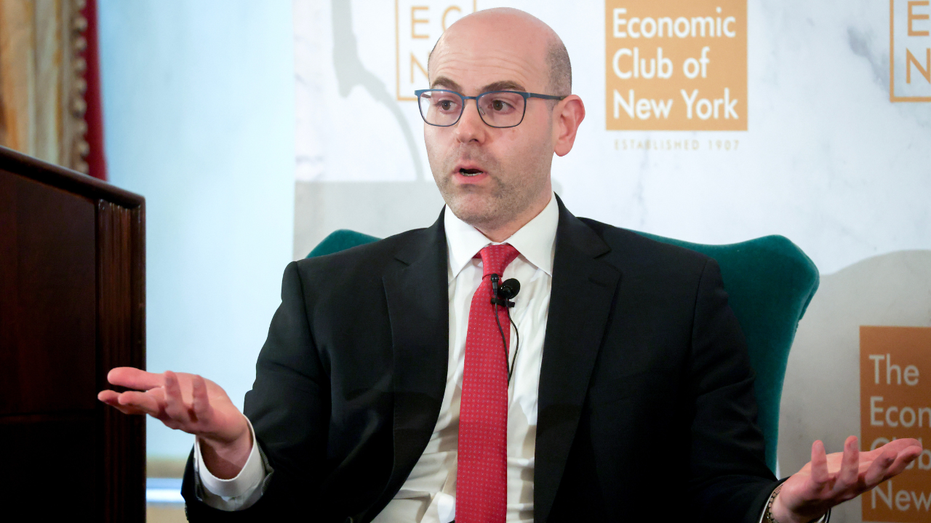
Fed Governor Stephen Miran was one of two policymakers to dissent about the Fed's decision to leave rates steady. (Michael Nagle/Bloomberg/Getty Images)
The Fed's preferred inflation gauge, the personal consumption expenditures (PCE) index, was elevated well above the central bank's 2% long-run inflation target at the end of last year.
PCE inflation was at its lowest year-over-year level in 2025 when it declined to 2.2% in April, which was the lowest reading since September 2024. Core PCE, which excludes volatile food and energy prices, was 2.6% in April 2025, the lowest level since June 2024.
FED'S MIRAN MAINTAINS CALL FOR AGGRESSIVE INTEREST RATE CUTS THIS YEAR
The Trump administration's tariff announcements on "Liberation Day" in early April and the implementation of those import taxes contributed to a rise in inflation last year, which drove PCE higher.
The most recent PCE inflation reading was for the month of November, when it reached 2.8%, equaling its September reading, which was the highest level since October 2023. Core PCE was also 2.8% in November.
GET FOX BUSINESS ON THE GO BY CLICKING HERE
Fed Chair Jerome Powell said at his January press conference after the FOMC decision that core PCE inflation would be running "just a bit above 2%" if not for the effects of tariffs on goods prices.