





Trump admin warns banks on lending to unauthorized workers
The Consumer Financial Protection Bureau previously told lenders they may consider a borrower's legal work authorization
Federal Reserve paper examines housing costs and unauthorized immigration
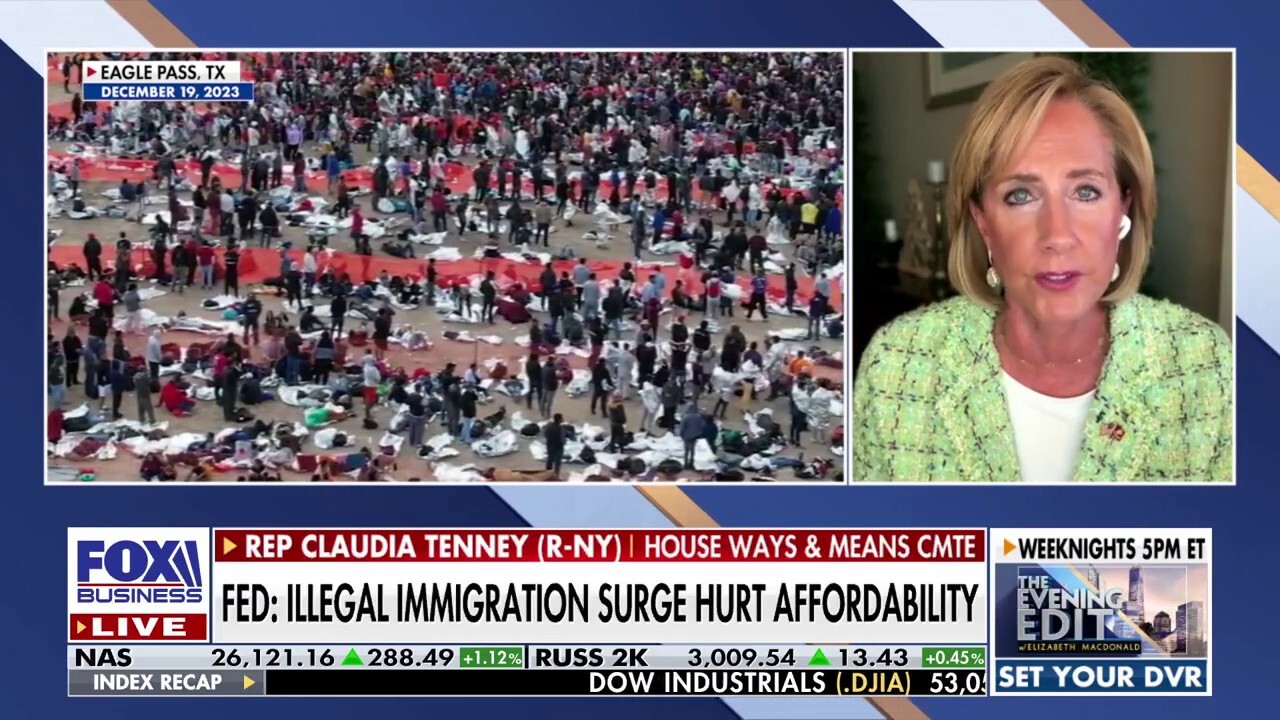
Rep. Claudia Tenney, R-N.Y., discusses a Federal Reserve report finding Biden-era illegal immigration drove up housing costs by 2.2% and rents by 1.4% on The Evening Edit.
The Trump administration on Monday released guidance from several financial regulators reminding banks and credit unions about the credit risks posed by lending to borrowers who aren't authorized to work in the U.S.
The guidance said that borrowers who aren't legally eligible to work in the U.S. pose an elevated credit risk because there's greater uncertainty about their ability to generate income, maintain employment and remain financially stable.
It was issued by the Office of the Comptroller of the Currency, the Federal Deposit Insurance Corporation and the National Credit Union Administration, with the agencies urging financial institutions to identify, measure, monitor and control these risks through safe underwriting practices that take it into account.
"President Trump has made restoring integrity to America's financial system a priority, and Secretary Bessent has provided strong leadership in ensuring that federal financial policy reflects that objective," Comptroller of the Currency Jonathan Gould told FOX Business in an exclusive statement. "Americans expect their banking system to support lawful business, not facilitate money laundering, or risks associated with criminal illegal immigration."
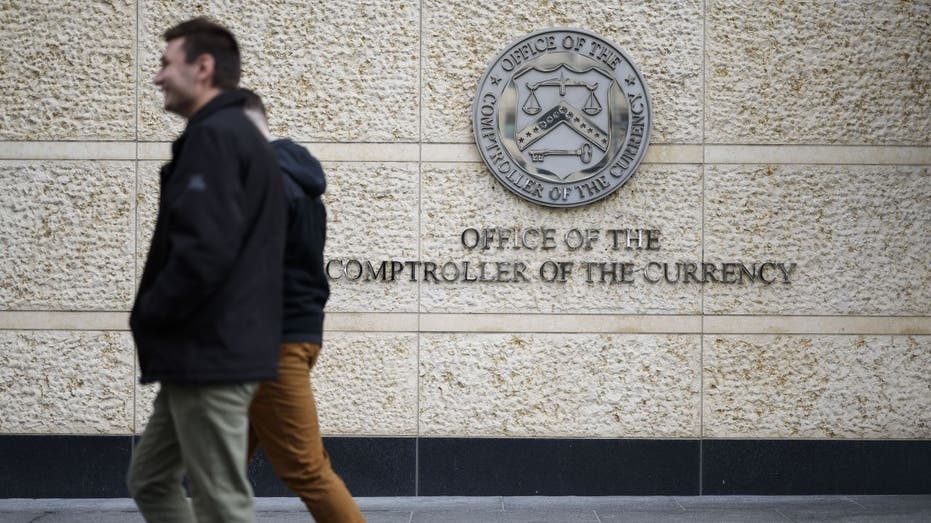
The inter-agency guidance informs banks and credit unions that they should consider credit risks when lending to borrowers who aren't authorized to work in the U.S. (Ting Shen/Bloomberg via Getty Images)
TRUMP ADMIN TO TELL BANKS IMMIGRATION STATUS MAY BE CONSIDERED IN MORTGAGE, CREDIT DECISIONS
The comptroller added that the guidance is based on existing requirements that financial institutions must abide by in their dealings with customers and that a prospective borrower's work authorization should be part of those considerations.
"Banks already have a responsibility to know their customers and appropriately manage risk. Our interagency guidance reinforces that obligation by making clear that institutions should account for the safety and soundness, compliance, and credit risks associated with serving individuals who are not authorized to work in the United States," Gould explained.
TRUMP EYES BANK CITIZENSHIP CHECKS AMID IMMIGRATION CRACKDOWN: REPORTS
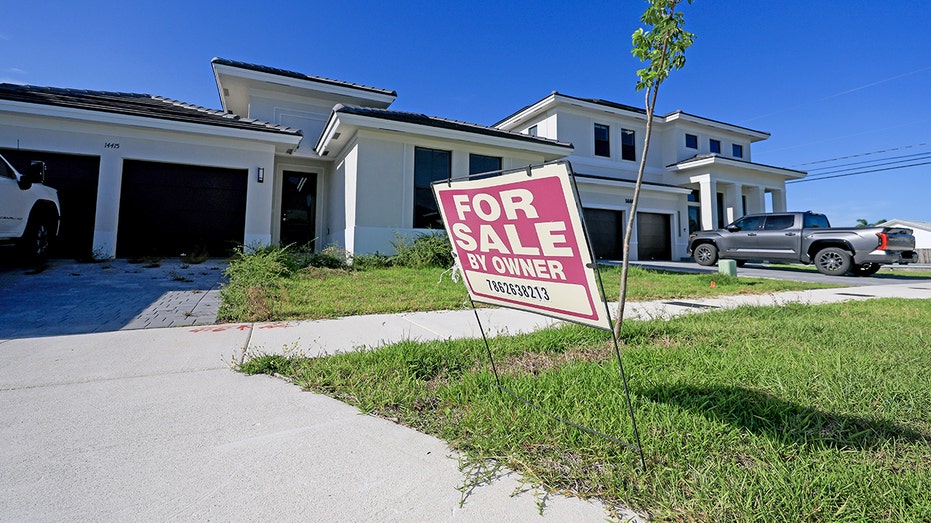
A prospective borrower's authorization to work in the U.S. could factor into mortgage applications. (Joe Raedle/Getty Images)
The agencies' announcement notes that the Consumer Financial Protection Bureau (CFPB) issued a guidance in June that informed financial institutions that they may consider a consumer's ability to legally work and earn income in the U.S. when making lending decisions around things like mortgage and credit card applications.
CFPB's guidance explained that the lack of legal authorization to work in the U.S. could lead to changes in a borrower's income, citing an example in which a credit applicant may be subject to deportation.
It added that information can be derived from a direct inquiry or the consumer's use of "atypical identification methods, such as an Individual Taxpayer Identification Number (ITIN), typically issued to taxpayers… who lack proof of legal residency."
BIDEN-ERA ILLEGAL IMMIGRATION DROVE UP HOUSING COSTS, FED ECONOMISTS FIND

Applications for credit cards may also evaluate a would-be borrower's work authorization. (iStock)
The guidance also follows the release of a working paper by the Federal Reserve Bank of Dallas, which the authors noted was a preliminary draft circulated for professional comment, which found that the influx of illegal immigrants between 2021 and 2024 significantly increased housing demand while boosting employment and having little measurable effect on wages.
The Fed economists estimated that unauthorized immigrant worker flows accounted for about 30% of employment growth, roughly 30% of home-price growth and about 20% of rent growth in the average metro area between March 2021 and March 2024.
GET FOX BUSINESS ON THE GO BY CLICKING HERE
However, they emphasized that the estimates apply to the average metro area studied and don't suggest immigration was the sole driver of rising housing costs nationwide.
FOX Business' Amanda Macias contributed to this report.