


Cruise lines face fuel cost surge as oil prices jump on Iran tensions
Carnival could see biggest profit hit among major operators due to lack of fuel hedging strategy
We know the oil shock is temporary, Daniel Lacalle
Tressis chief economist Daniel Lacalle analyzes the Federal Reserves moves amid geopolitical uncertainty on Making Money.
Cruise lines are facing headwinds as rising oil prices push their fuel costs higher amid the Iran war, as analysts are warning that Carnival could see the biggest hit to its 2026 profit.
Oil prices have risen over 35% since the war with Iran began amid attacks on oil and transportation facilities as well as threats to oil tankers and other vessels transiting through the Strait of Hormuz.
The prices for West Texas Intermediate crude have risen above $90 a barrel in recent days, while Brent crude has been just above $100 a barrel in that timeframe. Those prices were between $60 and $70 a barrel a month ago before the conflict began.
Cruise lines rely on heavy fuel oil and marine gas and typically try to hedge against volatility in oil prices through financial contracts, though Carnival Corp. is an exception to that practice.
TRAVEL EXPERT WARNS AMERICANS TO 'BOOK NOW' AS OIL PRICES THREATEN HIGHER AIRFARES
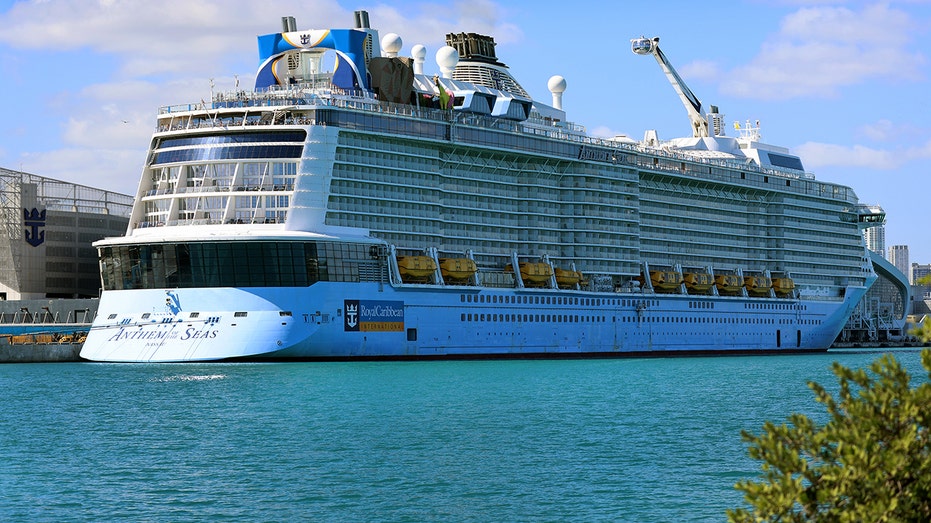
Cruise lines are facing higher fuel costs due to the Iran war causing a surge in oil prices. (Joe Raedle/Getty Images)
A 10% change in fuel cost per metric ton would reduce Carnival's 2026 net income by $156 million, compared with $57 million for its rival Royal Caribbean, according to the latest corporate filings.
Norwegian Cruise Line said it hasn't updated its fuel hedges from its earnings report in early March, when it indicated the 10% change would cut full-year profit per share by 7 cents. That would be equivalent to a roughly $90 million decrease in net income, according to calculations by Morningstar Research.
The world economy experienced an energy price shock in 2022 when Russia invaded Ukraine. That year, Carnival's fuel costs were 17.7% of its total revenue, compared with 12.1% for Royal Caribbean and 14.2% for Norwegian.
| Ticker | Security | Last | Change | Change % |
|---|---|---|---|---|
| CCL | CARNIVAL CORP. LTD. | 22.75 | +0.28 | +1.25% |
| RCL | ROYAL CARIBBEAN GROUP | 260.14 | +1.13 | +0.44% |
| NCLH | NORWEGIAN CRUISE LINE HOLDINGS LTD. | 14.82 | +0.25 | +1.72% |
CFRA analyst Alex Fasciano noted that Carnival "owns a larger fleet, meaning the level of consumption is also higher than their counterparts."
Carnival told Reuters in a statement that the cruise line's "best hedge against fuel costs is to use less, so we focus on using less fuel in the first place."
"We've cut our fuel use by 18% since 2011 despite increasing capacity by nearly 38% during that time," Carnival added, noting that it doesn't see a long-term net benefit in hedging.
AMERICAN FARMERS PINCHED BY HIGH DIESEL PRICES AHEAD OF SPRING PLANTING SEASON
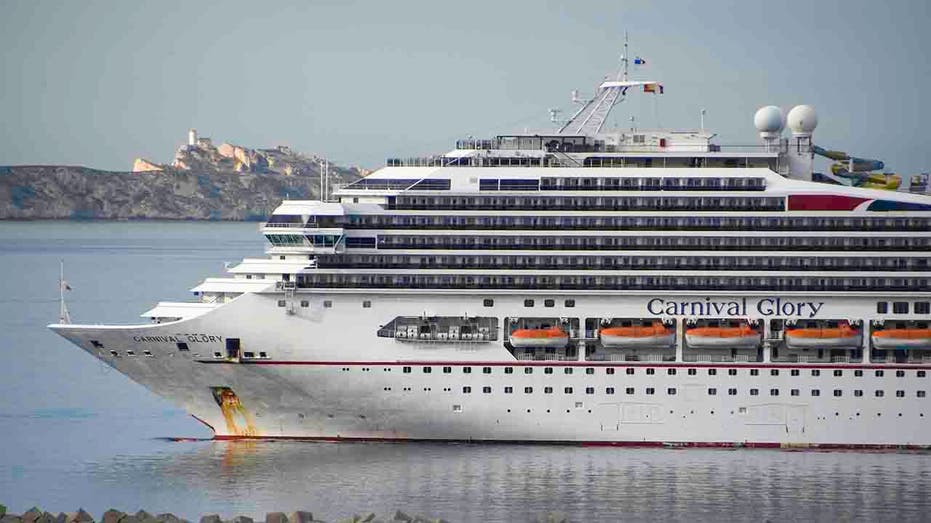
Carnival doesn't hedge its fuel prices and instead focusing on limiting consumption. (Gerard Bottino/SOPA Images/LightRocket via Getty Images)
Cruise lines are facing the volatility in oil prices during the industry's busiest booking period, known as the "wave season," which runs between January and March and typically sees operators offer special deals and discounts for trips this year.
These cruises tend to run during the third quarter and have a disproportionately large contribution to cruise operators' incomes, according to Lizzie Dove, analyst at Goldman Sachs.
GET FOX BUSINESS ON THE GO BY CLICKING HERE
Dove noted that the oil shock could impact Americans' bookings to Europe, particularly for higher-priced transatlantic trips.
Reuters contributed to this report.