





White House, gas stations point fingers over stubborn prices while locations that slashed prices see boom
White House official says gas stations using Iran war as way to grow profit margin

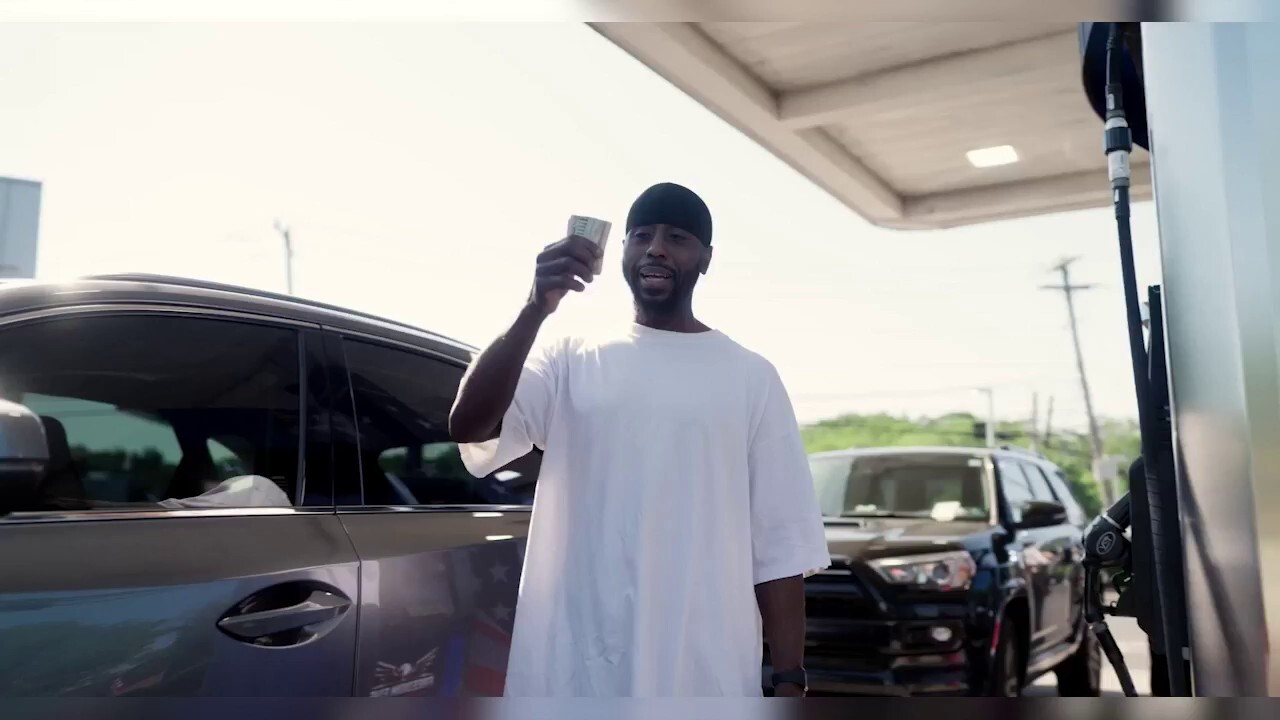
White House unveils first 'Freedom Fuel' station as drivers praise lower gas prices
The White House says the first "Freedom Fuel" gas station has opened in Philadelphia, offering gasoline roughly 50 cents below Pennsylvania's statewide average. (White House)
As oil prices react to the latest back-and-forth between the United States and Iran, fingers are being pointed as to why gas prices remain closer to $4 a gallon than $3 a gallon.
The price of a barrel of oil influences the price of gas. Within the cost of a gallon, oil producers sell the oil to a refinery that in turn sells the gas to a station. Also, in the price consumers pay are state and local taxes, environmental maintenance for the station, and a credit card transaction fee.
White House executive director of the National Energy Dominance Council, Jarrod Agen, says the administration sees more room for gas stations to lower costs. He says President Donald Trump personally watches the national price of gas very closely.
"The margins on gas at the pump have increased significantly ever since COVID," Agen said. "And so, they've kind of gotten out of control at this point. Traditionally, it is a very low margin area. But I think they've used the Iran war as a way to grow that margin."
FIRST FREEDOM FUEL NETWORK OPENS AS TRUMP-BACKED DISCOUNTS ROLL OUT
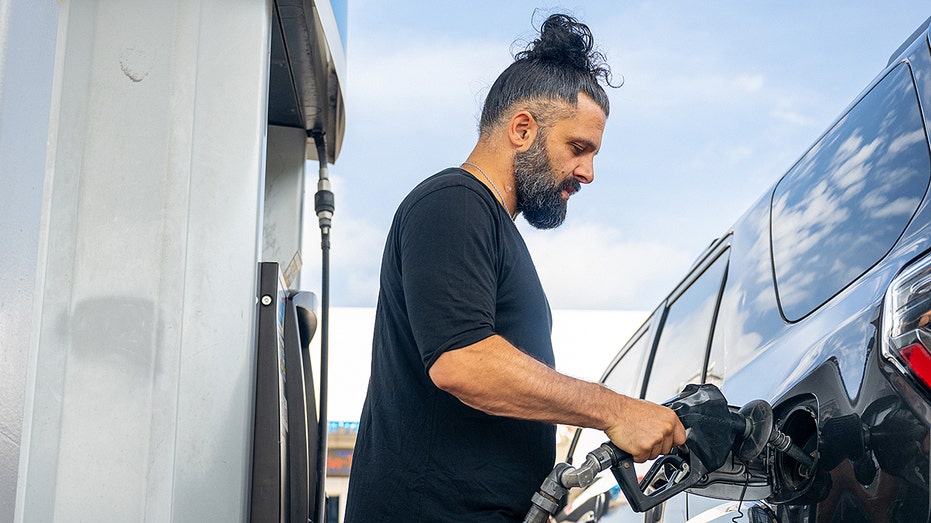
A man pumps gas at a Valero gas station on June 25, 2026, in Austin, Texas. (Brandon Bell/Getty Images / Getty Images)
He offered the example of the Freedom Fuel Network, which owns 25 stations around Philadelphia and New Jersey. The company deeply discounted the gas it sells, saying it reduced profit margin. Agen adds company executives told him, "We can sell it wholesale plus some of our cost and still save consumers about 50 cents per gallon, which is, that's real savings, and you know once one person does it, then kind of the rest of the market will follow."
Aged said Freedom Fuel stations make up in volume what they are shrinking in profit margin.
JET FUEL SPIKE KEEPS AIRFARES HIGH FOR BUSY SUMMER TRAVEL SEASON
In a FOX Business exclusive, a White House official said the network of gas stations saw fuel volumes increase 51.3% in July at the launch of their discount on July 3. The move forced 320 gas stations within a 40-mile radius to cut gas prices by 10 cents a gallon, according to the official who has seen the company data.
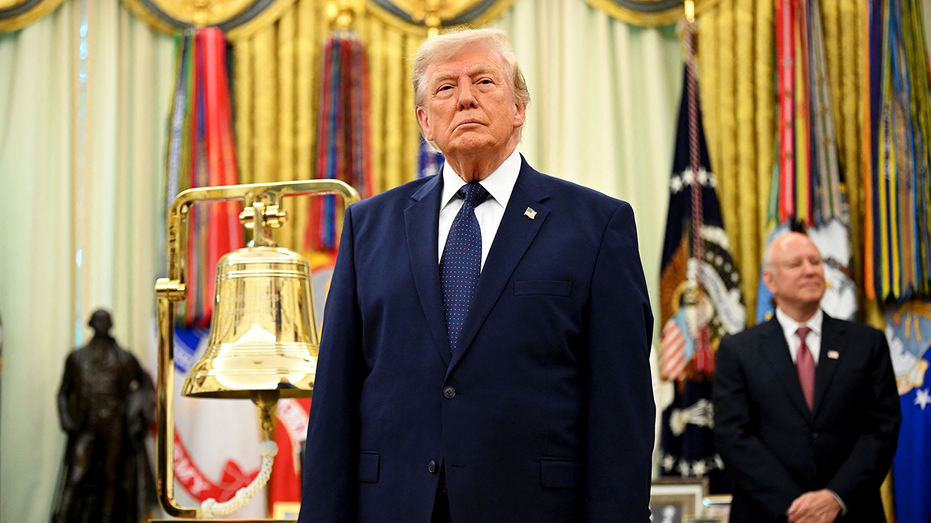
President Donald Trump stands next to a bell before ringing it to open the New York Stock Exchange ahead of the launch of Trump investment accounts in the Oval Office. (Mandel NGAN / AFP / Getty Images)
The White House official said 600 stations reduced prices in a ripple effect related to the competition benefiting drivers in the areas around Philadelphia and New Jersey.
National groups representing smaller gas stations pushed back on the growing profit margin narrative. Jeff Lenard, vice president of the National Association of Convenience Stores, blamed some of the loss in profit margins on credit card companies.
"Approximately 90% of the cost of a gallon of gas is determined before the retailer takes possession of the fuel, and after expenses — especially credit card fees — retailers typically make about 5% profit (before taxes) on the fuel that they sell," Lenard said in a statement to FOX Business.
DOJ AND FTC PRESS STATES TO TARGET ANY ILLEGAL ACTIVITY CONTRIBUTING TO HIGH GAS PRICES
He added that, historically, the margin of profit before taxes has not changed. The president of the Energy Marketers of America, Rob Underwood, backed that up.
"Fuel marketers are small businesses operating on thin margins in a transparent, fiercely competitive market where crude oil prices are set globally, but pump prices are set locally on the street corner," Underwood added in a statement. "Regardless of market conditions, credit card companies profit on every gallon through percentage-based interchange fees — often collecting more per gallon than the retailer nets — while bearing none of the fuel costs, environmental compliance burdens, or competitive pressure to reduce their take."
But Richard Hunt, the executive chairman of the Electronic Payments Coalition, said passing the blame is unwarranted. The group represents credit card company interests, and said that Visa and Mastercard both cap gas transactions at $1.05.
"In Washington, no one lets a crisis go to waste, and supporters of the Durbin-Marshall mandates should be ashamed of exploiting conflict in Iran to spread misinformation," Hunt said in a statement. "The facts are simple: credit card interchange on fuel purchases is capped at about $1 regardless of whether a driver buys 15 gallons or 150 gallons. The real drivers of prices are oil markets, taxes, refining costs and global events. This isn't about lowering gas prices, it's about using a global crisis to push a multibillion-dollar giveaway to the nation's largest retailers while looking for someone else to blame."
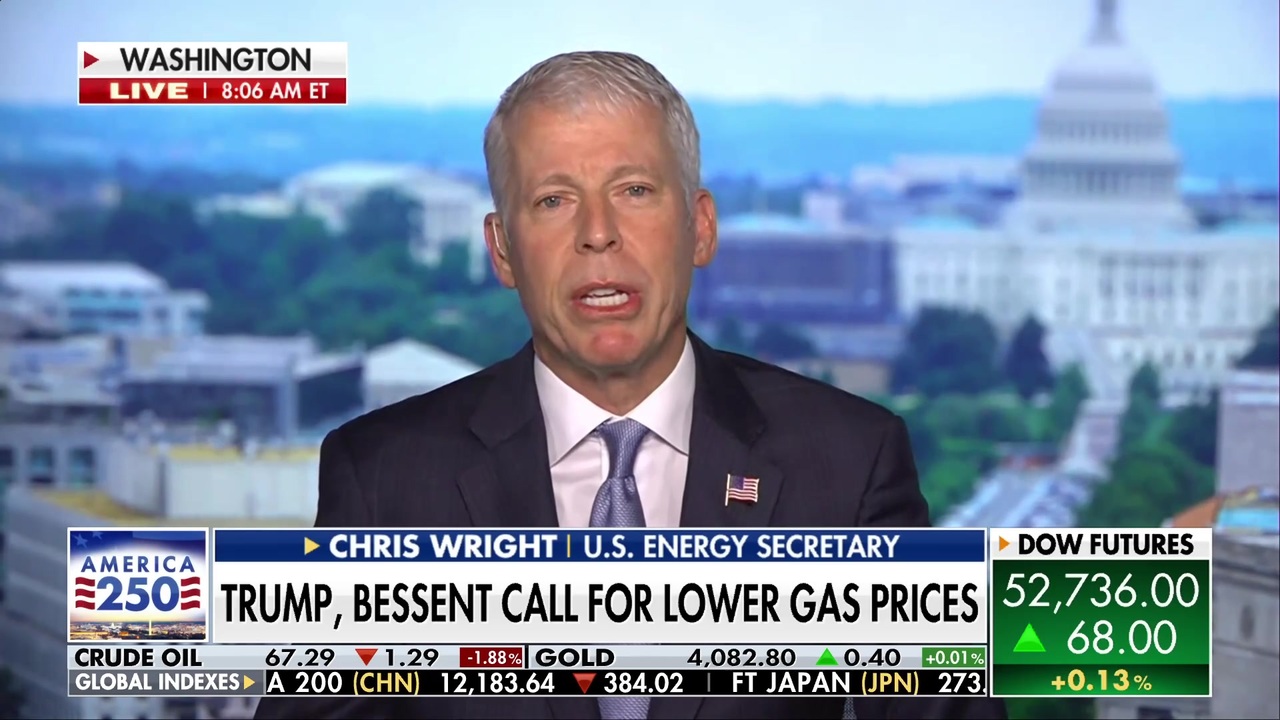
Energy secretary says gas prices will keep falling as Americans hit the road for July 4
U.S. Energy Secretary Chris Wright joins 'Mornings with Maria' to discuss falling gas prices, America's nuclear expansion, AI-driven energy demand and the Trump administration's push to boost U.S. energy production.
Senior White House officials believe Trump policies have reduced oil prices from where they could be. Those officials point to temporarily waiving the Jones Act, invoking the Defense Production Act for some industry moves, allowing California to produce its own oil and granting EPA waivers as working together to subdue price increases.
Agen believes when we see a dip in oil prices, gas prices should quickly follow.
"There's no reason why it spikes up so fast but then it comes down very slowly," he said. "We want to come down just as fast as it went up."
GET FOX BUSINESS ON THE GO BY CLICKING HERE
Underwood, running the Energy Marketers of America, believes the system is to blame for the slower fall in gas prices. "Retail prices are already declining in response to lower crude oil prices, though a typical two-to-three-week lag occurs as retailers sell off higher-cost inventory; competition then forces these savings to consumers as stock turns over."
CLICK HERE TO READ MORE ON FOX BUSINESS
Gas prices have dropped more than 6% since a month ago, according to AAA.