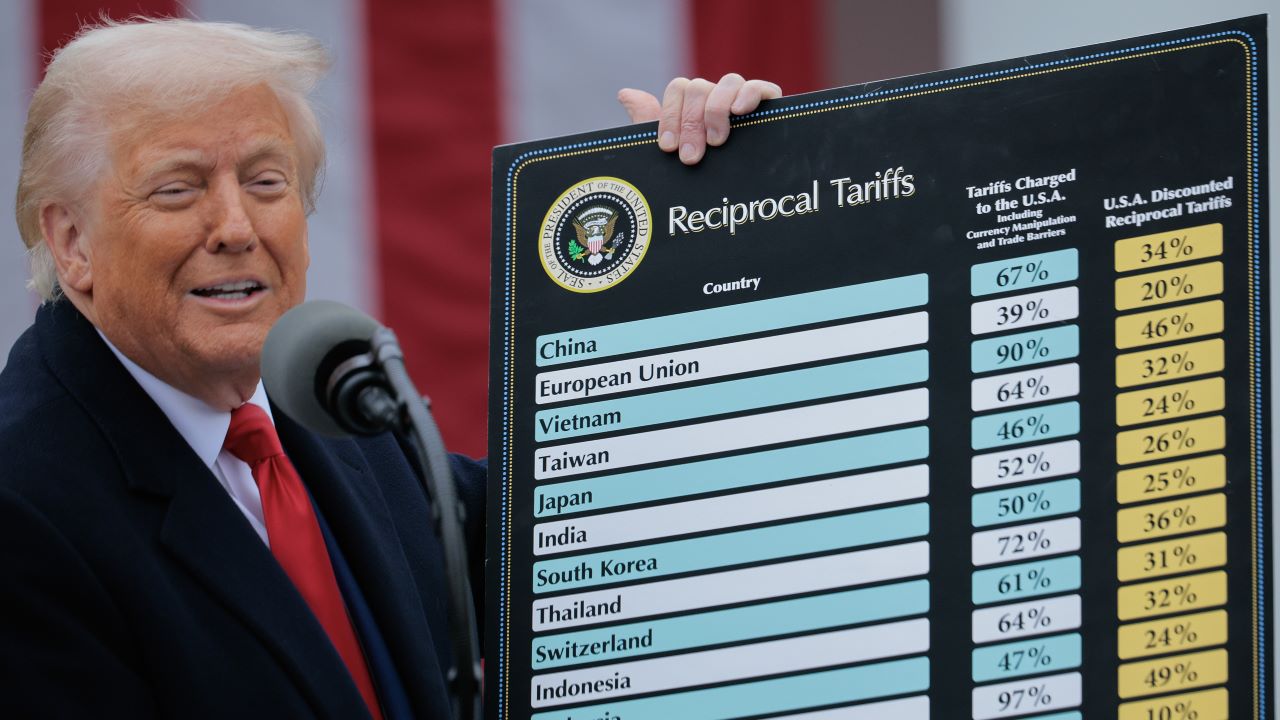
Tariffs are taxes or duties imposed by the federal government on imported goods. These charges are typically used to generate revenue, protect domestic industries from foreign competition, or influence trade policy. Tariffs are assessed as a percentage of the value of imported goods and are collected by U.S. Customs and Border Protection at the time of entry into the country.
The U.S. tariff system is governed primarily by the Harmonized Tariff Schedule of the United States (HTSUS), which classifies goods and specifies the applicable duty rates. The authority to impose or adjust tariffs lies with Congress, but the president may also modify tariffs under certain trade laws, such as the Trade Expansion Act of 1962 and the Trade Act of 1974. These provisions allow for tariffs based on national security, trade imbalances or retaliation for unfair practices.
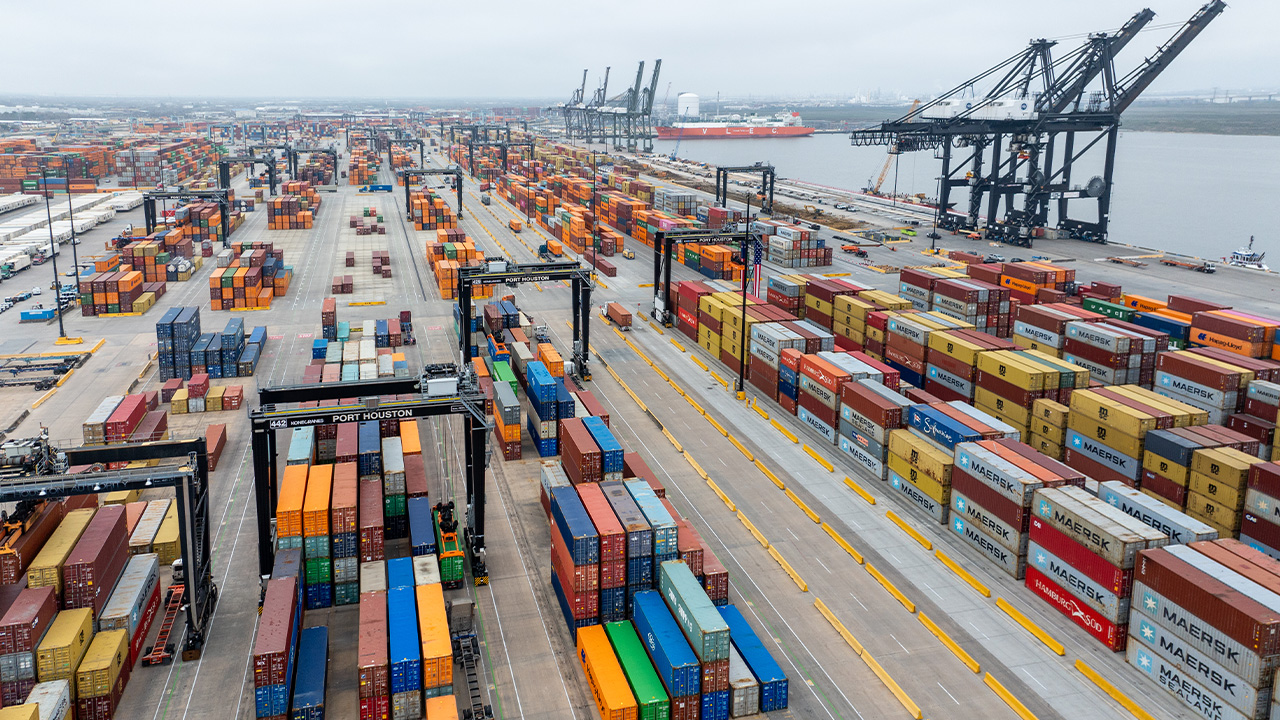
The use of tariffs can have wide-ranging economic effects. They may lead to increased prices for consumers and businesses that rely on imported materials, while benefiting domestic producers facing reduced competition. Tariffs can also prompt retaliatory measures from trading partners, potentially escalating into trade conflicts.
California sues to block Trump's 'illegal' tariffs
California and Gov. Gavin Newsom on Wednesday filed a lawsuit contesting President Donald Trump's authority to impose tariffs.

China tariffs mean 'Christmas is at risk,' toy industry CEO says
Toy costs are expected to rise by the fall, one expert says, as a result of Chinese tariffs. But last month, some U.S. toy companies said they are benefitting.
Trump's tariffs are putting consumers and businesses in a bind, tech association warns
President Donald Trump's tariffs have fueled uncertainty over trade policy, creating challenges for U.S. importers facing higher costs that may prove prohibitive, CTA warns.
Hong Kong to suspend parcel shipments to US over Trump’s ‘bullying’ tariffs
Hongkong Post said Wednesday they will not be collecting any "so-called tariffs on behalf of the US" and they are suspending service of postal items containing goods shipped to the US.
China beat growth expectations in first quarter of 2025, but US tariffs dim outlook
China beat forecasts for Q1, but the outlook for the remainder of 2025 remains uncertain as Beijing braces for the impact of hefty U.S. tariffs.

Rivian CEO discusses tariffs, says EV maker has 'very US-centric supply chain'
Rivian founder and CEO RJ Scaringe on Tuesday talked about the Trump administration’s tariffs and how the electric vehicle (EV) maker is navigating them during "The Claman Countdown."
Chinese TikTok users mock tariffs, telling people to buy brands like Nike direct
Videos posted by Chinese TikTok users that suggest people should purchase fashion items straight from factories in the country have been surfacing in the U.S. in recent weeks, according to Bloomberg.
How Trump's tariffs could impact the labor market
A new analysis by Goldman Sachs economists on the labor market impact of tariffs found that President Trump's tariffs may boost manufacturing but shrink the overall American workforce.

Honda considers moving some Mexico, Canada production to US due to tariffs: report
Honda is discussing plans to move production of its CR-V and Civic vehicles from Canada and Mexico to the U.S. as the administration tries to boost the American auto industry.
Trump admin moves toward semiconductor, pharmaceutical tariffs
President Donald Trump's administration took new steps toward imposing tariffs on imported semiconductors and pharmaceutical products Monday.
Car dealers move to combat impact of Trump auto tariffs with AI tools
President Donald Trump's tariffs have resulted in market uncertainty, driving car dealers to utilize new AI tools in an effort to bring in new customers.

Billionaire hedge fund manager warns tariffs could trigger conditions 'worse than a recession'
Billionaire hedge fund manager Ray Dalio said that the U.S. economy could experience something "worse than a recession" if current economic and fiscal challenges aren't handled well.
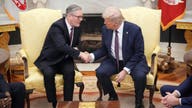
UK slashes some tariffs against US amid Trump's tariff war: 'No country off the hook'
The U.K. responded to Trump's tariffs by slashing tariffs on 89 British products in a bid to ease strain on British businesses hit hard by the levied taxes.

'Necessary' or 'bullying our friends?' Americans differ starkly on Trump tariffs
Everyday Americans weigh in on whether or not they have faith in Trump's tariffs against the world's biggest economic powers and his negotiating skills.

Gulf Coast shrimpers say tariffs are a lifeline for their industry
Shrimpers along the Gulf Coast are calling for stronger federal protections, saying unfair foreign trade practices and international investment are devastating their industry.
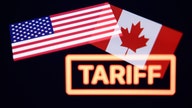
Canada willing to drop tariffs first if US does the same: Ontario Premier Doug Ford
Premier of Ontario Doug Ford hopes a deal can be made with the United States that includes dropping tariffs and, potentially, excluding Mexico.

Here’s when American consumers, businesses will feel the sting of 145% China tariffs
Trade experts say it won't take long for American consumers and businesses to feel the fallout from the tariffs. "Businesses are already feeling the tariffs," one expert says.
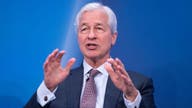
Big bank CEOs weigh in on Trump's tariffs: 'Considerable turbulence'
The CEOs of two major U.S. banks discussed President Donald Trump's tariffs in letters within their quarterly earnings reports and said that the duties could slow the economy.

Small business owners speak out about effects of Trump tariffs: 'Unsustainable'
Small businesses told FOX Business they are worried about about their futures under tit for tat tariffs as the duties continue to eat into their margins.

Vietnam prepared to crack down on Chinese trade to avoid Trump tariffs: report
Vietnam is prepared to crack down on Chinese goods being shipped to the U.S. via its own territory to avoid crippling U.S. tariffs, according to a new report.