


Scott pushes 'aggressive posture against China,' focusing on chips, AI in defense bill now heading to Trump
Senate Banking chairman says he fought for provisions to prevent American currency from 'funding our adversaries'

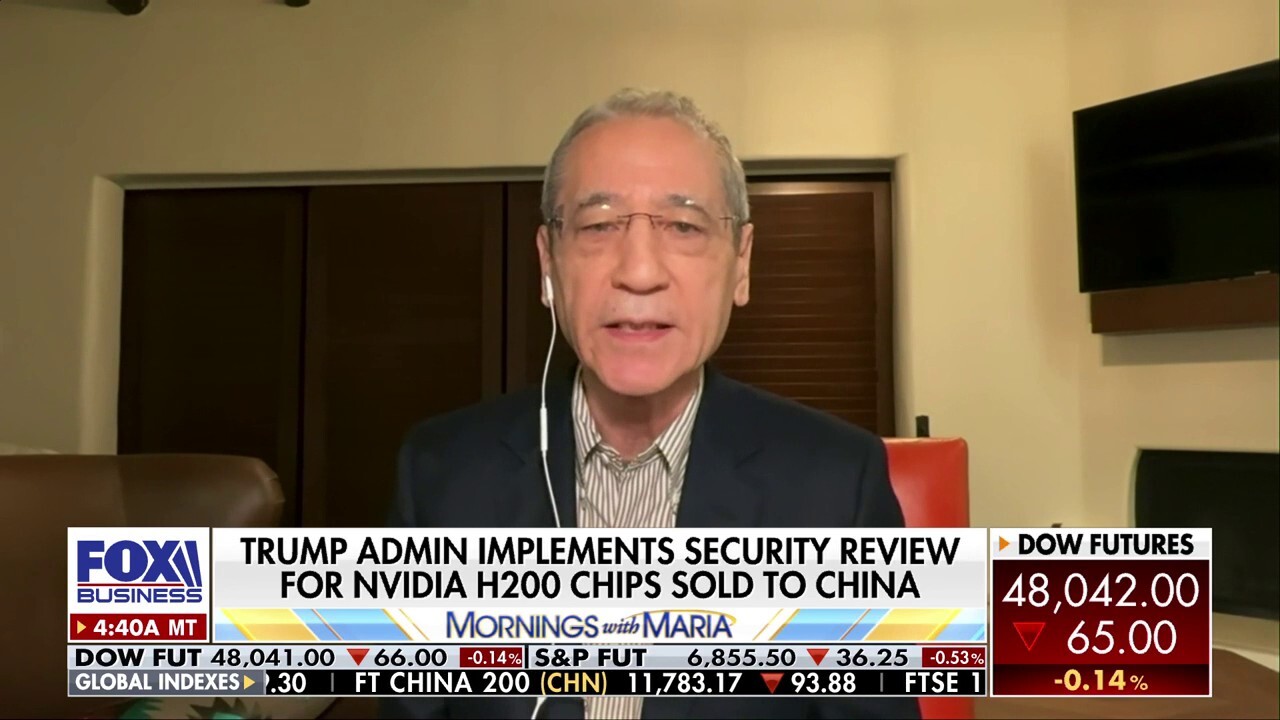
China accelerates push for US AI chips critical to drone, weapons development
Gatestone Institute senior fellow Gordon Chang joins ‘Mornings with Maria’ to warn that China is pressuring President Donald Trump for access to advanced U.S. AI chips while evading export controls and rapidly escalating military tensions.
Senate Banking Chairman and former presidential candidate Tim Scott, R-S.C., detailed key elements of the National Defense Authorization Act (NDAA) that specifically target China in an effort to position "America for the long run" against the communist power.
Congress’ lead voice for the banking sector fought for provisions surrounding China to be included in the annual defense spending bill, with Scott telling Fox News Digital during an exclusive interview that it is critical that the American currency is not "funding our adversaries" and that the U.S. must dominate in artificial intelligence and semiconductor technology.
"I think it's really important for us to realize that we still have the high ground and maintaining the high ground means having an aggressive posture against China," Scott told Fox News Digital.
US COULD BURN THROUGH KEY MISSILES IN 'A WEEK' IF WAR WITH CHINA ERUPTS, TOP SECURITY EXPERT WARNS
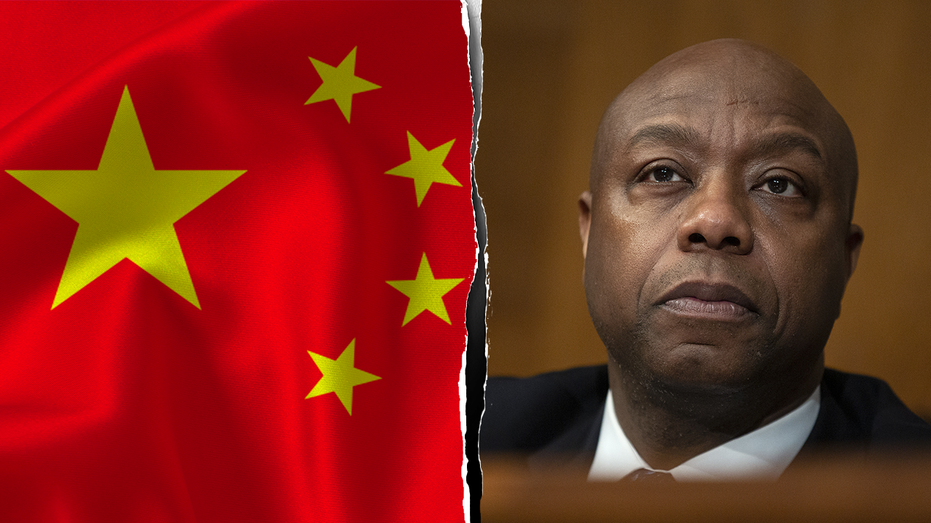
Senate Banking Chair Tim Scott highlighted China-focused measures in the NDAA — covering sanctions, chips, AI, investment restrictions, and national security reviews — as strategy to "position America for the long run against China." (Stefani Reynolds/Bloomberg via Getty Images / iStock / Getty Images)
"That means everything from how we review our sanctions, to how we take a look at [the] chip conversation that you've seen over the last several days, [and] artificial intelligence being a part of that conversation as well," Scott added.
The NDAA was passed in the House in early September and now heads to President Donald Trump’s desk after the bill passed in the Senate on Wednesday.
Included in the NDAA are three key pieces of legislation that Senator Scott pointed out.
The Protect Our Bases Act, which updates the Committee on Foreign Investment procedures by requiring regular updates to federal records of sensitive sites and adds annual reporting requirements. The bill was introduced following a 2022 attempted Chinese-owned company land purchase near Grand Forks Air Force Base, which highlighted limitations in the existing review process.
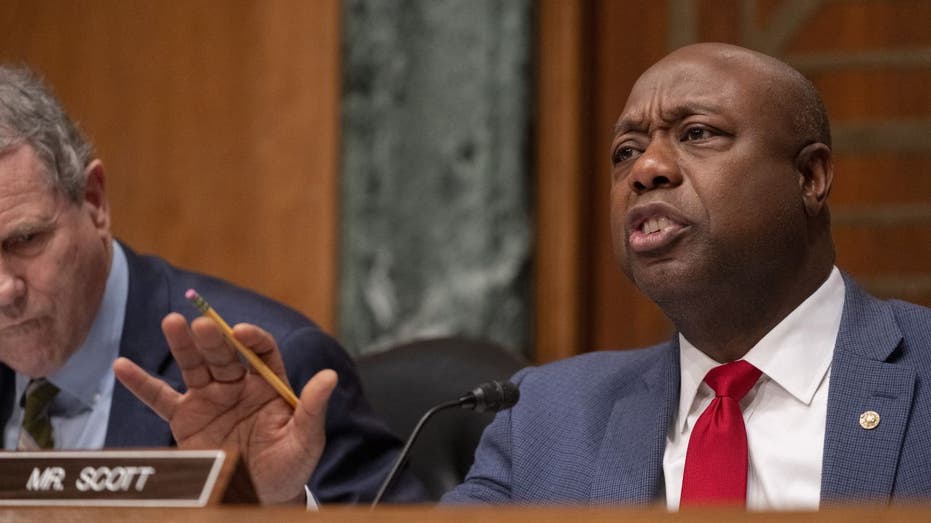
Sen. Tim Scott, R-S.C., is the top banking leader in the Senate. (Roberto SchmidtAFP via Getty Images / Getty Images)
The NDDA also includes an extension of the Defense Production Act (DPA), which was first enacted in 1950, enabling the U.S. to expand industrial capacity during national emergencies. Scott pushed for language in the defense bill which establishes core functions in defense production and strengthens domestic supply chains.
CHINA MILITARY REACHES 'WAR FOOTING' WITH NEW MISSILE SILOS AND ADVANCED AI WARFARE SYSTEMS
The FIGHT China Act, which was included with bipartisan support, creates an outbound investment screening process that allows the Treasury Department to restrict or require notification of certain U.S. investments in sensitive technologies in the People’s Republic of China.
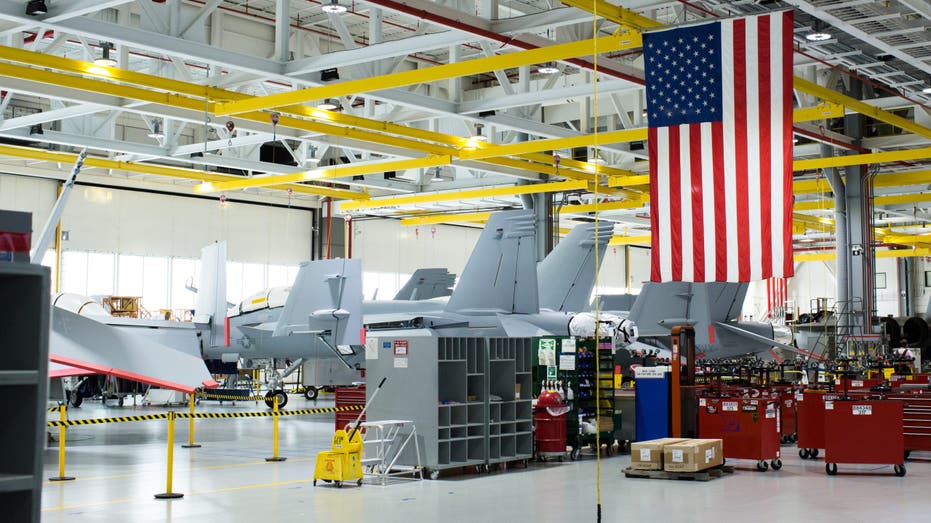
The annual defense spending bill now heads to President Donald Trump's desk to be signed into law. (Alex Flynn/Bloomberg / Getty Images)
The bill also adds reporting requirements and targeted exemptions to increase transparency while limiting transactions deemed high-risk to U.S. national security.
The three pieces of legislation’s inclusion in the annual defense bill were touted by Scott, with the Senate Banking Chairman telling Fox News Digital that it’s important to get ahead of China, which he described as a communist country that thinks "in generations, if not centuries." He said that economic tools are the most effective against the PRC.
CLICK HERE TO DOWNLOAD THE FOX NEWS APP
"Positioning America for the long run against China is incredibly important," Scott explained. "But China, they don't think in election cycles, they think in generations, if not centuries."
"I think the most effective weapon we have, and the more we use our economic weapons, the better off we are as a nation, frankly, as a world," Scott added.