


Data centers were on the ballot, and voters sent unmistakable message
Communities across the country voted to restrict data center development

Democratic sweep raises concerns over stricter AI regulation
Constellation Research founder R 'Ray' Wang joins ‘Making Money’ to analyze the post-election market rally, potential policy implications for AI data centers and investment opportunities across tech stocks and hyperscalers.
Voters across at least 10 states delivered a sweeping rebuke to data center expansion in Tuesday's midterm elections, backing restrictions and rejecting development proposals amid growing concerns about electricity costs, land use and the rapid buildout of artificial intelligence infrastructure.
Voters backed restrictions or rejected pro-development measures in all but one of 41 local ballot measures across 10 states, according to an analysis by Ballotpedia and results compiled by CNBC.
The Washington Post separately reported that voters in at least 38 jurisdictions passed measures limiting or blocking data centers. Many passed by wide margins, underscoring the intensity of opposition in communities where the projects were directly on the ballot.
The results pose a growing challenge for an industry pouring billions of dollars into AI infrastructure, as communities increasingly weigh the economic benefits of new development against concerns about higher utility bills, water consumption, noise and local control.
MARVELL, LUMENTUM TOUT HISTORIC $115B DEAL TO CREATE ‘CATEGORY LEADER’ IN AI CONNECTIVITY

A drone photo shows a former five-story industrial building on East Vernon Avenue being demolished for redevelopment as a proposed CoreSite data center, at right, across the street from Vernon City Elementary School in Vernon on Wednesday, November 4 (Allen J. Schaben / Los Angeles Times via Getty Images / Getty Images)
Opposition has already disrupted projects beyond the ballot box. More than 145 data center projects were delayed or canceled nationwide through early August, according to S&P Global figures cited by The Washington Post, which reported that public opposition accounted for the vast majority of those setbacks.
Ohio, a major hub for data center development, delivered some of the most decisive results.
In the City of Defiance, voters approved a charter amendment restricting data center construction by a 64.73% to 35.27% margin, according to unofficial county election results.
Voters in Pataskala approved a data center-related charter amendment by a 73.62% to 26.38% margin, while voters in Granville backed a similar amendment, 82.45% to 17.55%.
BUSINESS LEADERS, INVESTORS WEIGH IMPACT OF DEMOCRATS' MIDTERM SWEEP ON MARKETS, AI AND TRAVEL
In Ashville, voters rejected a data center referendum by an even wider margin, with 81.61% voting against the measure and 18.39% voting in favor.
The backlash extended into statewide political campaigns, where data center development emerged as an issue alongside broader concerns about affordability and economic growth.
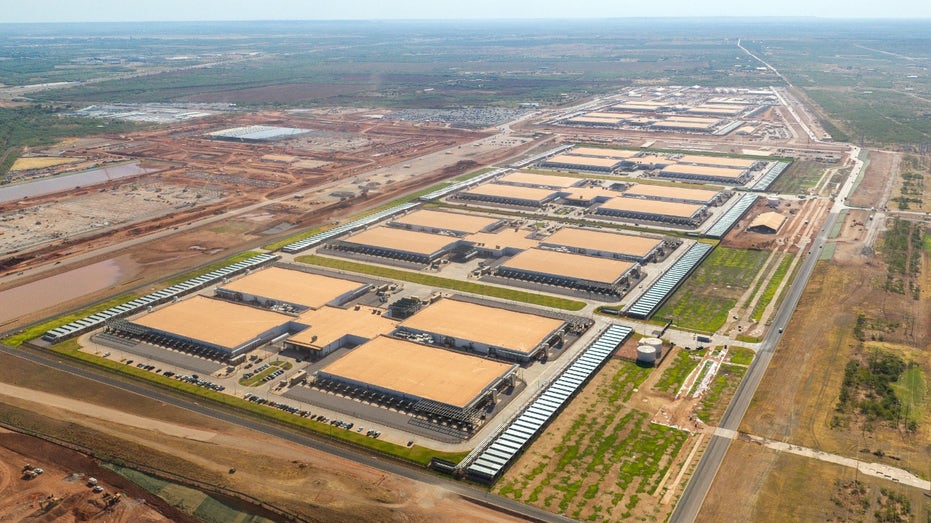
The Stargate Oracle AI data center campus is seen on Aug. 26, 2026, in Abilene, Texas. (Brandon Bell/Getty Images / Getty Images)
In Texas, Democrat Gina Hinojosa defeated Republican Gov. Greg Abbott after campaigning on a proposed moratorium on new data center projects and tougher protections for the environment and electricity ratepayers.
Ohio elected Democrat Amy Acton as governor. She supports a moratorium and stricter regulations, while Georgia Gov.-elect Keisha Lance Bottoms made greater accountability for data center developers a central part of her campaign.
GOOGLE EXPANDS VOLUNTARY BUYOUTS TO 5 COUNTRIES TO AI SPENDING FUELS COST CUTS
Polling ahead of the election suggested that opposition to new data centers extended across party lines.
A Washington Post-ABC News-Ipsos poll conducted before the election found that seven in 10 Americans, including a majority of Republicans, opposed new data center construction in their communities.
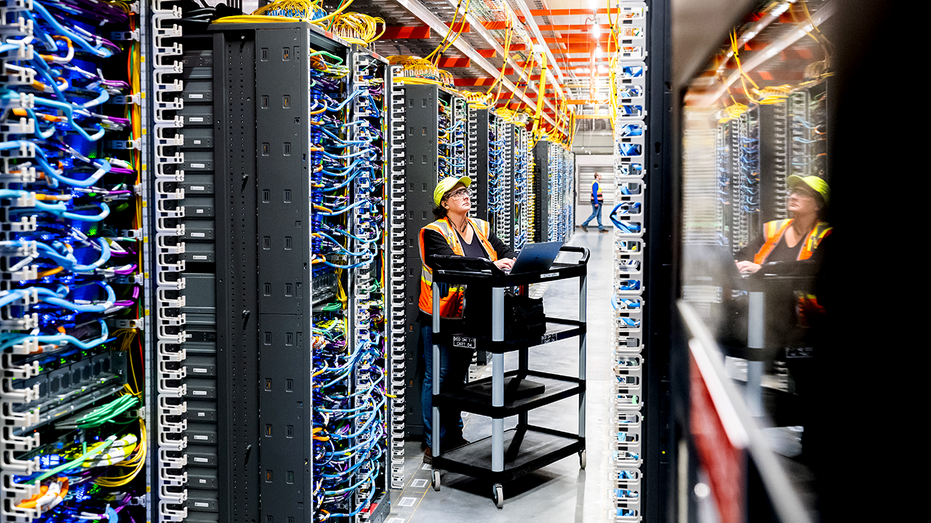
The race to build AI infrastructure is accelerating as concerns grow over centralized technological power. (Noah Berger / Getty Images)
The Post also cited an election-day poll showing that 56% of voters considered artificial intelligence and data centers a major or crucial factor in their vote, though it ranked last among five issues surveyed, behind concerns including government corruption, the war in Iran and the cost of living.
Industry representatives, meanwhile, argue that data center investment can provide substantial economic benefits to the communities hosting the facilities.

President Trump urges Americans to learn a trade as AI data centers fuel job boom
President Donald Trump highlights the growing demand for construction and skilled workers as trade schools experience wait lists. AI data centers and manufacturing are driving a massive labor boom across the country.
"Affordability, jobs, and the economy are priorities for Americans across the country," said Dan Diorio, executive vice president of state policy and government affairs at the Data Center Coalition. He said data centers can generate jobs, local tax revenue and investment.
UNVETTED FOREIGN WORKERS AT AI FIRMS RAISE NATIONAL SECURITY ALARMS, ADVOCATES WARN
"The data center industry is committed to advancing America’s digital infrastructure, supporting energy reliability and affordability, and promoting long-term, responsible economic development," Diorio said.
As public scrutiny intensifies, some major technology companies are taking steps to address concerns about the costs of expanding AI infrastructure.
OpenAI said Thursday that it would pay the full cost of powering data centers it owns and operates, solicit community input, publish construction plans and avoid using nondisclosure agreements with public officials. The company also released a policy blueprint encouraging lawmakers to adopt similar standards.
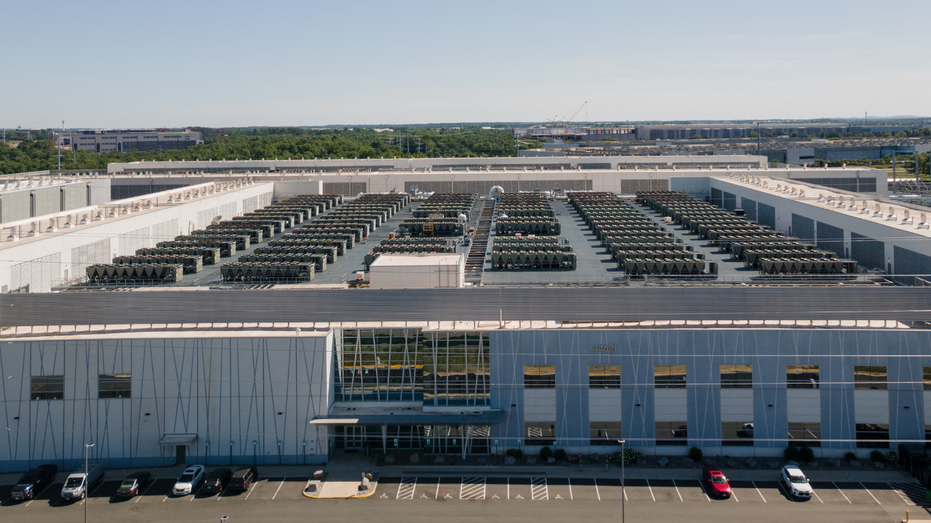
A CloudHQ data center in Ashburn, Virginia, on May 31, 2026. (Lexi Critchett/Bloomberg / Getty Images)
"What we’re doing with this blueprint is really laying out the best lessons that we have learned and committing to applying them as they go forward," OpenAI Chief Global Affairs Officer Chris Lehane told reporters, according to CNBC.
The announcement followed Tuesday's election results, although the blueprint had been in development since August and built on earlier company pledges to protect ratepayers and address community concerns.
OpenAI is seeking to expand rapidly to meet demand for AI services and has targeted hundreds of billions of dollars in computing infrastructure spending by 2030.
CLICK HERE TO GET FOX BUSINESS ON THE GO
Not every community voted to restrict development. In Harwood, North Dakota, roughly three-quarters of voters rejected proposed restrictions on industrial development, according to The Washington Post.