










Markets hanging on 'every word' as US-Iran conflict nears one month, former NEC director warns
Gary Cohn says market volatility can be a friend or 'enemy'
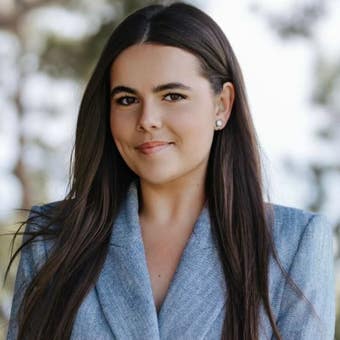
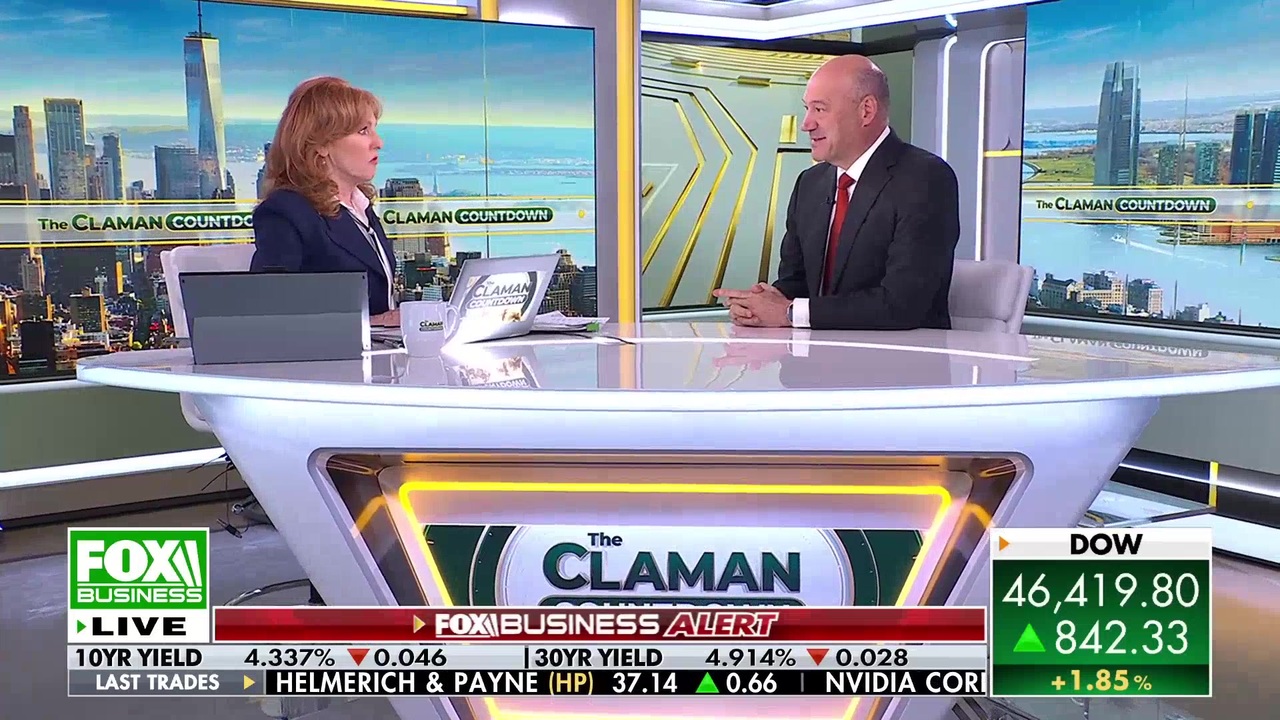
Former NEC director says market volatility can be a ‘friend or enemy’ as markets roil amid Iran conflict
Former National Economic Council director Gary Cohn discusses how conflict in Iran is impacting markets and how investors should respond to volatility on ‘The Claman Countdown.’
Former National Economic Council director Gary Cohn warned that markets are hanging on "every word" as the United States’ war on Iran stretches into a fourth week.
Joining "The Claman Countdown" on Monday, the former Trump economic official discussed how markets are behaving as President Donald Trump’s Operation Epic Fury begins to weigh heavily on Americans economically.
"I think volatility can be your friend, and it can be your enemy," he said Monday. "Because remember, fear and greed are what drive markets. Volatility enhances fear and enhances greed."
WALTZ SAYS TRUMP IS USING IRAN'S OWN OIL STRATEGY AGAINST ITSELF TO DRIVE DOWN GLOBAL PRICES
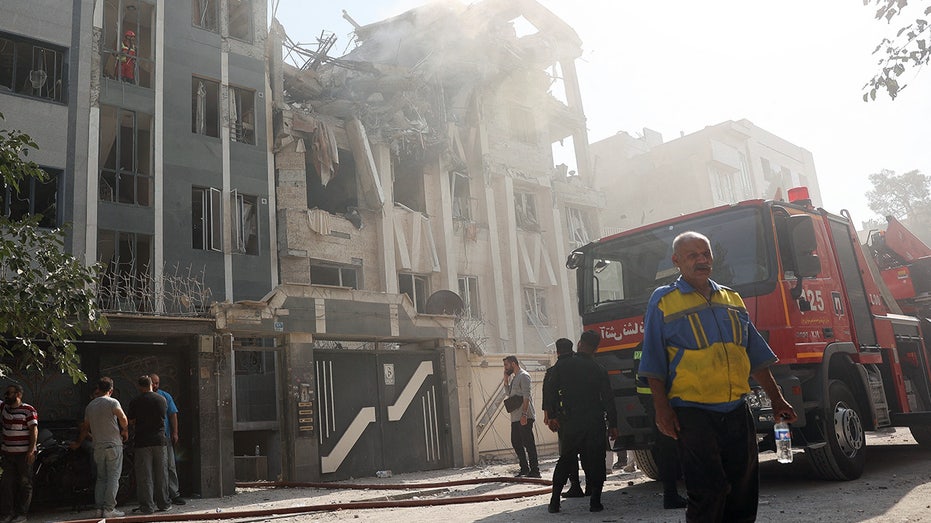
Rescuers work at the scene of a damaged building in the aftermath of Israeli strikes, in Tehran, Iran, on Friday, June 13, 2025. (Majid Asgaripour/WANA/Reuters / Reuters)
"Since we've been involved in this issue, this war in the Middle East, markets have been hanging on every word," Cohn explained.
Cohn’s comments come amid a crisis in the Iran-controlled Strait of Hormuz, with U.S. ships still banned from passing through, driving up prices of goods domestically.
About 20% of the world’s crude oil and natural gas passes through the critical waterway, and with U.S. ships blocked, gas prices in the homeland are up more than $1.
The national average currently sits at $3.95 per gallon for regular gasoline, compared to $2.94 before the U.S. struck Iran, per AAA.
The economist said the Strait of Hormuz's closure has led to "enormous" market volatility.
AIRLINES MAY CUT FLIGHT SCHEDULES AS IRAN TENSIONS DRIVE UP FUEL COSTS, EXPERTS WARN
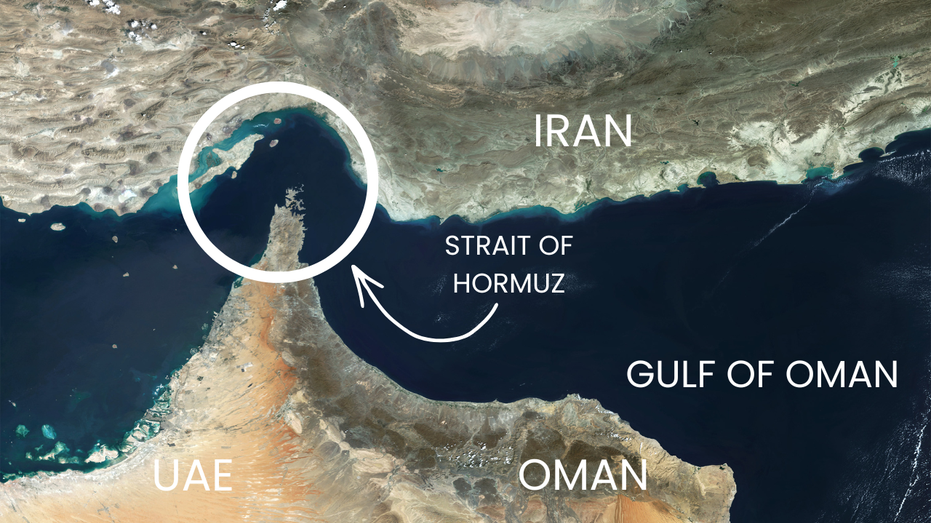
A satellite image shows the Strait of Hormuz, a key maritime passage connecting the Persian Gulf to the Gulf of Oman, vital for global energy supply. (Amanda Macias/Fox News Digital / Getty Images)
"Markets are an edge. We know that," Cohn said. "We've known that for the last couple of weeks."
Cohn asserted that the state of the economy hinges on the outcome of the Middle East conflict, and the price of oil is at the center.
"Movement in oil… it's weighing down heavily on stock markets and other assets," the former NEC director said. "So right now, the biggest determinant in where we go in our short-term economy and long-term economy is what goes on in the Middle East. It is the price of oil. Everything else economically is in pretty fair shape."
Cohn shared advice for investors on navigating volatile times, saying that markets are "fickle" and move quickly with just a hint of information.
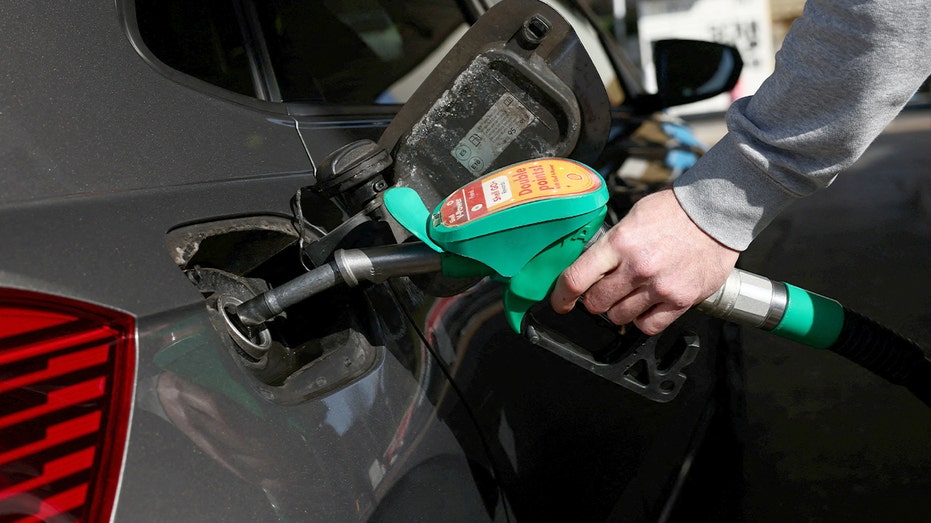
A motorist fills their car with fuel at a petrol station in London, Britain, March 5, 2026, as oil and gas prices surge amid the conflict in the Middle East. (Jack Taylor/Reuters / Reuters)
"What the volatility means is you have to have a game plan. If you know where you wanna buy, and you know what you wanna sell, you will get opportunities to get in and out of markets that you may not have seen and think was possible."
CLICK HERE TO DOWNLOAD THE FOX NEWS APP
Cohn also revealed the biggest mistake investors can make is acting out of "fear or greed" as they decide to make big moves or stay cautious.
"When you think something's really cheap, you need to buy it. You can't wait for it to get cheaper. And I think traditional investors are always trying to buy the bottom and sell the top. As a professional investor, I've never once in my life bought the bottom and sold the top," he said.


