


Commerce Secretary Howard Lutnick makes quiet trip to India days after tariff setback
India recently agreed to purchase $500 billion in US goods over five years
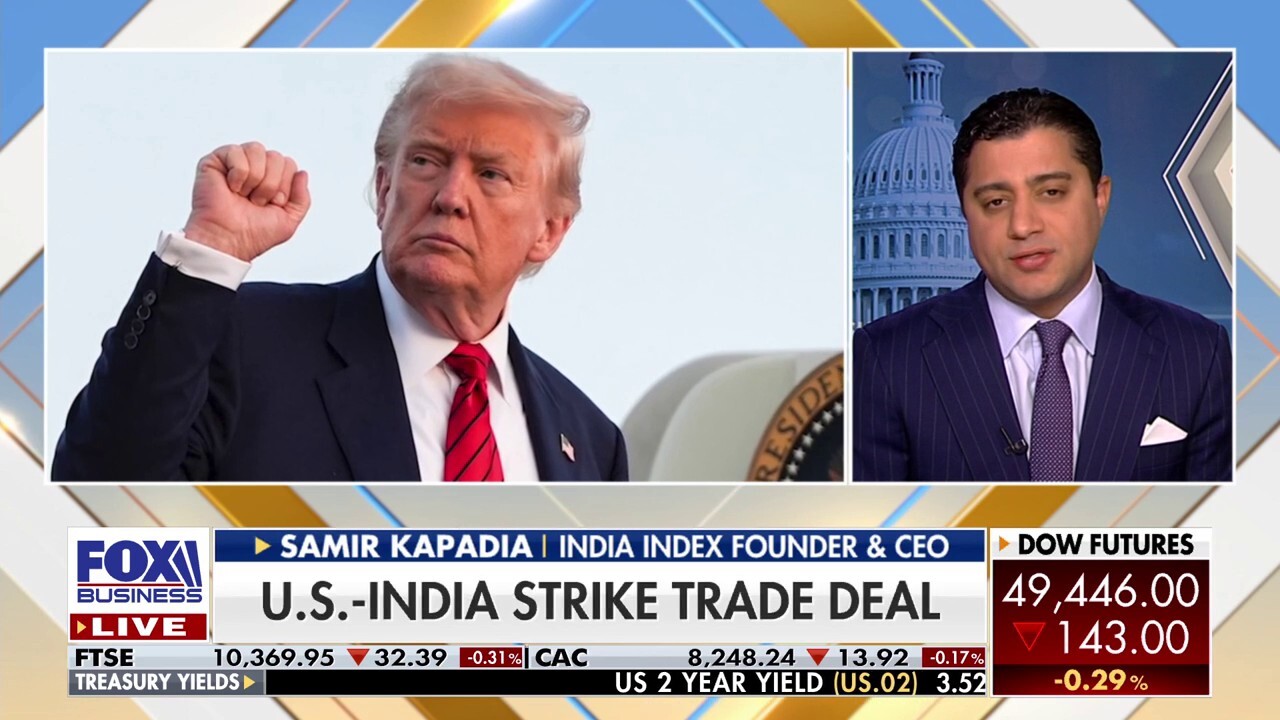
US-India trade deal takes shape as Trump averts shutdown and minerals go strategic
India Index founder and CEO Samir Kapadia discusses the benefits of President Donald Trump's trade deal with India on 'Mornings with Maria.'
Secretary of Commerce Howard Lutnick, accompanied by U.S. Ambassador to India Sergio Gor, met his Indian counterpart in New Delhi Thursday. The meeting comes less than a week after the Supreme Court struck down President Donald Trump’s sweeping global tariffs.
India’s Minister of Commerce and Industry Piyush Goyal hailed the talks as "very fruitful," posting a picture of the three officials smiling together. The meeting signaled renewed momentum, even though India had been among the first Asian nations to react to the court's decision.
Just days earlier, New Delhi had postponed talks with Washington aimed at finalizing a trade framework. Still, uncertainty lingers as the deal hangs in the balance. In a press statement, India's Ministry of Commerce and Industry said, "We are studying all these developments for their implications."
In the aftermath of the court’s ruling, the Trump administration introduced a temporary 10% baseline tariff as several countries began to reassess their positions.
TRUMP RIPS SUPREME COURT TARIFF RULING IN SOTU, VOWS NEW LEGAL FIGHT AFTER 6-3 BLOW
"The Supreme Court verdict has created a trilemma for U.S. trade partners, including India," Ajay Srivastava, founder of the Global Trade Research Initiative, told FOX Business. "Everyone is waiting for more clarity."
Earlier this month, the U.S. announced a trade framework easing reciprocal duties, bringing relief to Indian markets. Under that arrangement, U.S. tariffs on Indian goods were set to fall to 18%, higher than the current 10% baseline. India had also agreed to purchase $500 billion worth of U.S. goods over five years.
The deal was expected to take effect in April. But with the tariff landscape now changed, the South Asian giant could stand to benefit, and experts say it may have gained leverage.
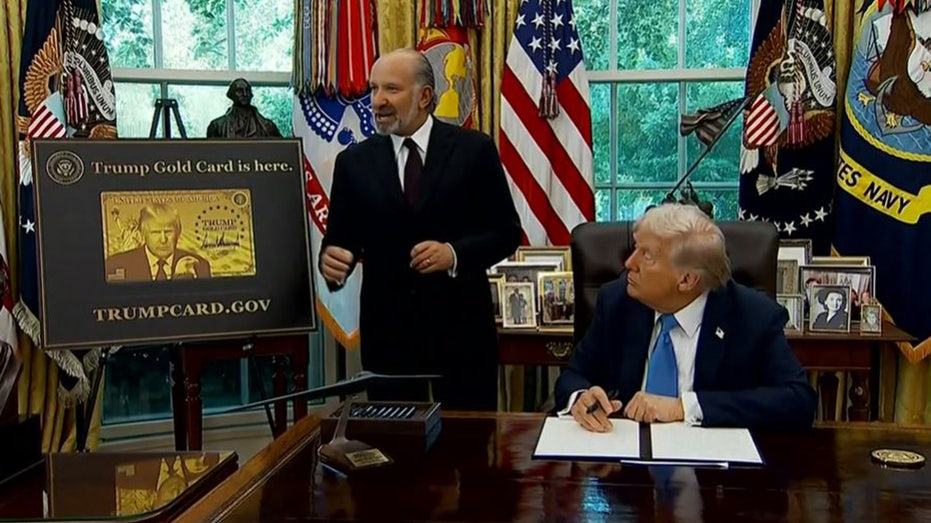
Commerce Secretary Howard Lutnick talks about the Trump Gold Card as President Donald Trump looks on during an executive order signing in the Oval Office of the White House in Washington, D.C. (Fox News/Pool / Fox News)
"The new tariff is lower than the negotiated rate, and the uniform levy erases the competitive advantage concessions were meant to secure," Srivastava said. "There is little rationale for offering tariff cuts, investment pledges or procurement commitments to Washington, especially when identical access to the U.S. market is available even without a deal."
TRUMP TRIMS SOME TARIFFS AFTER SUPREME COURT LOSS BUT KEEPS TRADE FIGHT ALIVE
India’s purchases of Russian oil have also remained a sticking point. In the original trade discussions, President Trump said New Delhi had "committed to stop directly or indirectly importing Russian Federation oil," though Indian officials made no public mention of such a pledge.
India, the world’s third-largest oil importer and consumer, is expected to see its purchases of Russian crude fall to a two-year low this month. Still, against the backdrop of the court’s ruling, analysts say India will likely continue to buy Russian oil.
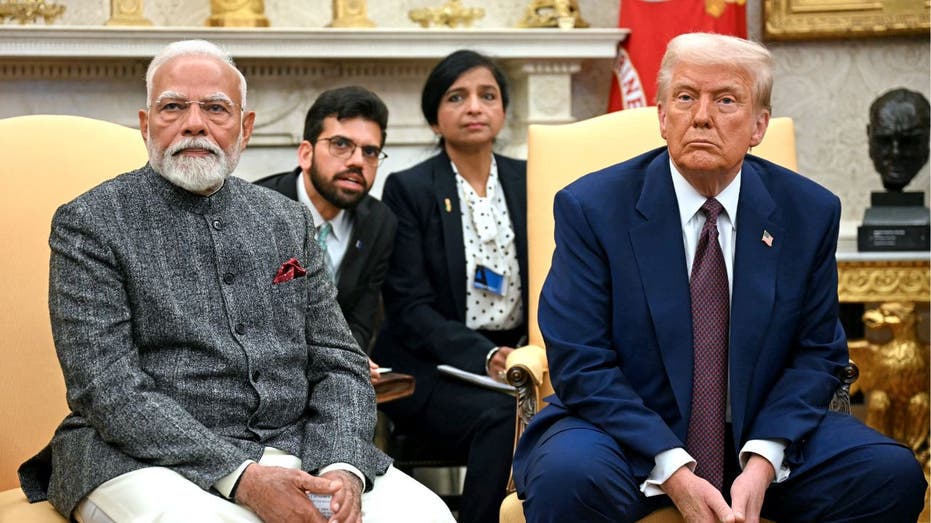
President Donald Trump speaks with the press as he meets with Indian Prime Minister Narendra Modi in the Oval Office of the White House in Washington, D.C., Feb. 13, 2025. (Jim Watson/AFP via Getty Images / Getty Images)
President Trump has remained defiant through it all, insisting his deals are secure. In a Truth Social post following the Supreme Court's decision, he said, "Any Country that wants to ‘play games’ with the ridiculous Supreme Court decision, especially those that have ‘Ripped Off’ the U.S.A. for years, and even decades, will be met with a much higher Tariff, and worse, than that which they just recently agreed to. BUYER BEWARE!!!"
The White House still has several legal tools at its disposal to pursue its economic agenda, including alternative trade authorities and reopening new trade investigations.
GET FOX BUSINESS ON THE GO BY CLICKING HERE
In the latest escalation with India, the administration imposed a 126% solar import duty, suggesting that its "America First" policy remains a priority. The levies follow allegations that Indian companies unfairly benefited from government subsidies and undercut American manufacturers. According to the U.S. Census Bureau trade data, solar imports from the country surged to nearly $793 million in 2024, a roughly ninefold jump from 2022.
According to the Office of the United States Trade Representative, total U.S.-India trade in goods and services reached approximately $212 billion in 2024, underscoring the scale of their economic relationship.
Goods trade alone accounted for about $129 billion, with the U.S. running a $45.8 billion goods trade deficit with India, a gap that continues to shape tariff negotiations between the two countries.